
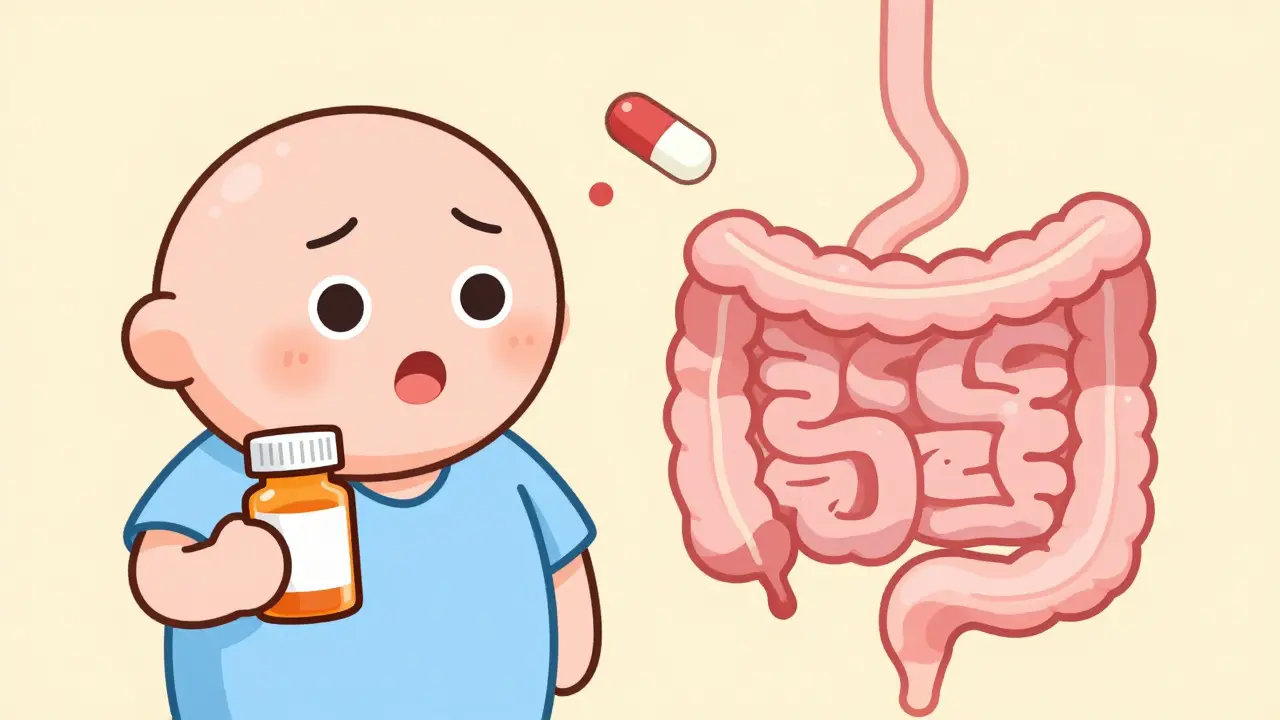
After bariatric surgery, many patients quickly notice something unexpected: their medications don’t seem to work like they used to. A pill that once kept their blood pressure stable now feels ineffective. Their thyroid medication no longer controls symptoms. Pain relief lasts half as long. These aren’t coincidences-they’re direct results of how surgery changes the body’s ability to absorb drugs. With over 720,000 bariatric procedures performed worldwide in 2022, understanding how these surgeries alter medication absorption isn’t optional-it’s essential for safety and effectiveness.
How Bariatric Surgery Changes Your Digestive System
Bariatric surgery doesn’t just shrink your stomach. It rewires your digestive tract. The two most common procedures-Roux-en-Y gastric bypass (RYGB) and sleeve gastrectomy-do this in very different ways. RYGB cuts the stomach into a small pouch and reroutes the small intestine, skipping the first 100 to 150 centimeters of the duodenum and jejunum. That’s roughly a quarter of the area where most drugs are absorbed. Sleeve gastrectomy, on the other hand, removes about 80% of the stomach but leaves the intestines untouched. The difference matters a lot when it comes to how your body handles pills.After RYGB, food and drugs bypass the duodenum entirely. This is critical because many medications rely on this section to dissolve and enter the bloodstream. The stomach pouch also produces far less acid. Normal stomach pH is between 1.5 and 3.5-acidic enough to break down pills. Post-surgery, it rises to 4.0 to 6.0, closer to neutral. That means drugs that need acid to dissolve-like ketoconazole or iron supplements-may not break down at all. Faster gastric emptying also means pills zip through the stomach in 30 to 60 minutes instead of 2 to 5 hours. That leaves less time for absorption before the drug reaches the small intestine.
Sleeve gastrectomy causes less dramatic changes. The stomach is smaller, so pills may not dissolve as easily. The higher pH still affects acid-dependent drugs. But since the intestines aren’t rerouted, most medications still reach their absorption sites. Still, studies show even sleeve patients see a 15-20% drop in bioavailability for many drugs.
Which Medications Are Most Affected?
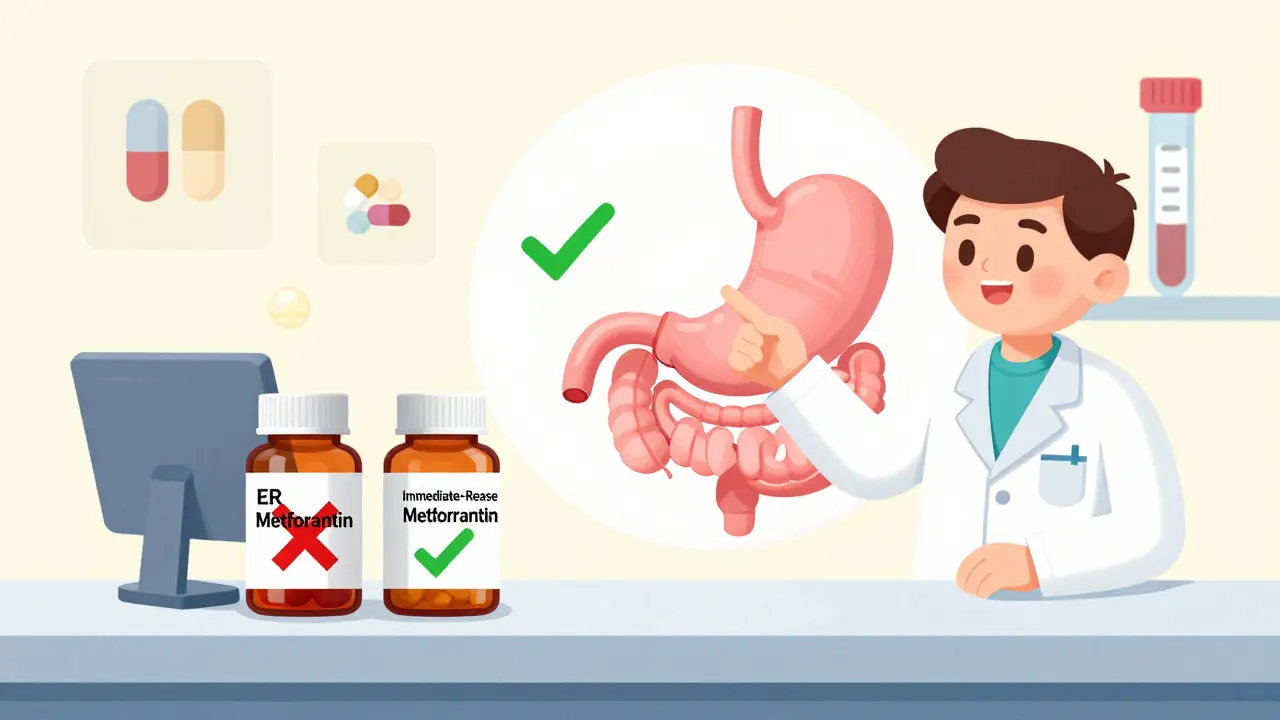
Not all drugs react the same way. Some are hit hard. Others barely notice the change. The biggest problems come from three types: extended-release, enteric-coated, and acid-dependent medications.Extended-release (ER) pills are designed to release their active ingredient slowly over hours. They rely on long transit times through the gut. After RYGB, drugs zip through too fast. The coating may not have time to dissolve, and the medication gets flushed out before it’s fully absorbed. Studies show up to 60% less absorption of ER oxycodone, metformin, and glipizide after gastric bypass. Mayo Clinic data shows 47% of ER medications need switching to immediate-release versions.
Enteric-coated pills are made to survive stomach acid and dissolve only in the small intestine. But if the duodenum is bypassed, these pills may never reach their ideal environment. In RYGB patients, enteric-coated aspirin, omeprazole, and many antibiotics end up in the wrong part of the gut-and often pass through unabsorbed.
Acid-dependent drugs like levothyroxine, calcium, iron, and some antifungals need low pH to dissolve. Post-surgery, their absorption drops by 25-35%. One patient reported needing to double their levothyroxine dose after RYGB, even though their TSH levels were stable before surgery. Calcium absorption falls by 35% after bypass, which is why all bariatric patients need lifelong supplements-but even those often aren’t enough without dose adjustments.
Procedure-Specific Adjustments
The type of surgery you had determines your medication strategy.- Roux-en-Y Gastric Bypass (RYGB): Highest risk. Up to 68% of patients need medication changes. Convert all ER and enteric-coated pills to immediate-release. Take levothyroxine on an empty stomach, 30-60 minutes before food. Monitor warfarin levels weekly for the first month-dose increases of 25-35% are common. Avoid extended-release forms of antidiabetics, anticonvulsants, and opioids.
- Sleeve Gastrectomy: Moderate risk. About 32% need adjustments. Still switch ER formulations to immediate-release if possible. Monitor thyroid and calcium levels closely. Most other drugs can stay as-is, but watch for reduced effectiveness.
- Biliopancreatic Diversion (BPD/DS): Highest malabsorption. Up to 70% reduction in drug absorption. Almost all oral medications need higher doses or alternative forms. Liquid formulations or injections are often preferred.
- Gastric Banding: Lowest impact. No anatomical bypass, so absorption remains mostly normal. But because food intake drops by 70-80%, medications that need food to absorb-like mycophenolate-may need dose increases.
The key factor? Whether the duodenum is still in the food path. Procedures that bypass it (like RYGB and BPD/DS) reduce drug absorption by 30-40%. Those that don’t (sleeve, banding) preserve about 85% of normal absorption.
What Should You Do? A Practical Guide
If you’ve had bariatric surgery, here’s what to do next:- Review all your medications with a pharmacist who specializes in bariatric care. Don’t wait for symptoms.
- Switch extended-release to immediate-release whenever possible. For example, switch metformin ER to regular metformin taken 2-3 times daily.
- Take thyroid meds on an empty stomach-at least 30 minutes before breakfast. Avoid calcium, iron, or antacids within 4 hours.
- Use liquid or chewable forms for the first 3-6 months after surgery. They bypass dissolution issues.
- Get therapeutic drug monitoring for narrow-therapeutic-index drugs: warfarin, phenytoin, cyclosporine, lithium, and levothyroxine. Blood tests are non-negotiable.
- Watch for signs of underdosing: uncontrolled blood sugar, high blood pressure, worsening depression, persistent pain, or fatigue.
A 2022 survey found 78% of community pharmacists felt unprepared to handle post-bariatric medication issues. That’s why patients often get stuck in a cycle of “my meds aren’t working” without knowing why. Don’t be one of them.
What’s Changing in 2026?
The field is evolving fast. In 2024, the European Medicines Agency made it mandatory for all new oral drugs to include bariatric surgery absorption data in their approval packages. The FDA has already added warnings to 17 drug labels. New technologies are emerging: pH-adaptive capsules that work in higher stomach pH, and subcutaneous implants like ITCA 650 (for diabetes) that bypass the gut entirely. AI-powered dosing calculators are now used in 83 U.S. hospitals, cutting dosing errors by 41%.Pharmacists are getting better trained. In 2019, only 12 U.S. pharmacy schools taught bariatric pharmacotherapy. Now, 42 do. The American Society of Health-System Pharmacists reports a 200% increase in specialized bariatric pharmacy roles since 2018.
The message is clear: bariatric surgery isn’t just a weight-loss tool. It’s a major physiological shift that demands a complete rethink of medication management. Ignoring it can lead to therapeutic failure, hospitalization, or worse. The tools, guidelines, and expertise exist. You just need to ask for them.
Do all bariatric surgery patients need to change their medications?
Not everyone, but most do. About 38% of patients need at least one medication adjustment within six months. The risk is highest for those who had RYGB or BPD/DS. Even sleeve gastrectomy patients often need changes to thyroid meds, calcium, or iron supplements. It’s not about the surgery itself-it’s about how your body absorbs drugs after it changes.
Can I still take my regular pills after surgery?
It depends. Extended-release, enteric-coated, and acid-dependent pills often don’t work as well. Many patients report pills passing through intact-sometimes even finding whole pills in their stool. If your medication is one of these types, switching to an immediate-release or liquid form is usually necessary. Always check with your pharmacist before assuming your current pills are still effective.
Why does my thyroid medication stop working after surgery?
Levothyroxine needs an acidic environment to dissolve and is absorbed in the upper small intestine. After RYGB, both the stomach pH rises and the duodenum is bypassed. This cuts absorption by 25-30%. Many patients need to double their dose. The fix? Take it on an empty stomach, 30-60 minutes before food, and get your TSH levels checked every 6-8 weeks until stable.
Are liquid medications better after bariatric surgery?
Yes, especially in the first 3-6 months. Liquids don’t rely on stomach acid or intestinal transit time to dissolve. They’re absorbed faster and more predictably. This is why many doctors recommend switching to liquid forms of levothyroxine, calcium, and iron right after surgery. Even if you’re later able to take pills again, liquids remain a safer option for critical medications.
How often should I get blood tests after bariatric surgery?
For high-risk drugs like warfarin, phenytoin, and levothyroxine, check levels every week for the first month, then every 1-3 months for the first year. After that, quarterly checks are usually enough unless symptoms return. For calcium, vitamin D, and iron, check every 3-6 months. Don’t wait for symptoms-by then, damage may already be done.


Comments(8)