CBD Oil Interactions: What You Need to Know Before Mixing with Medications
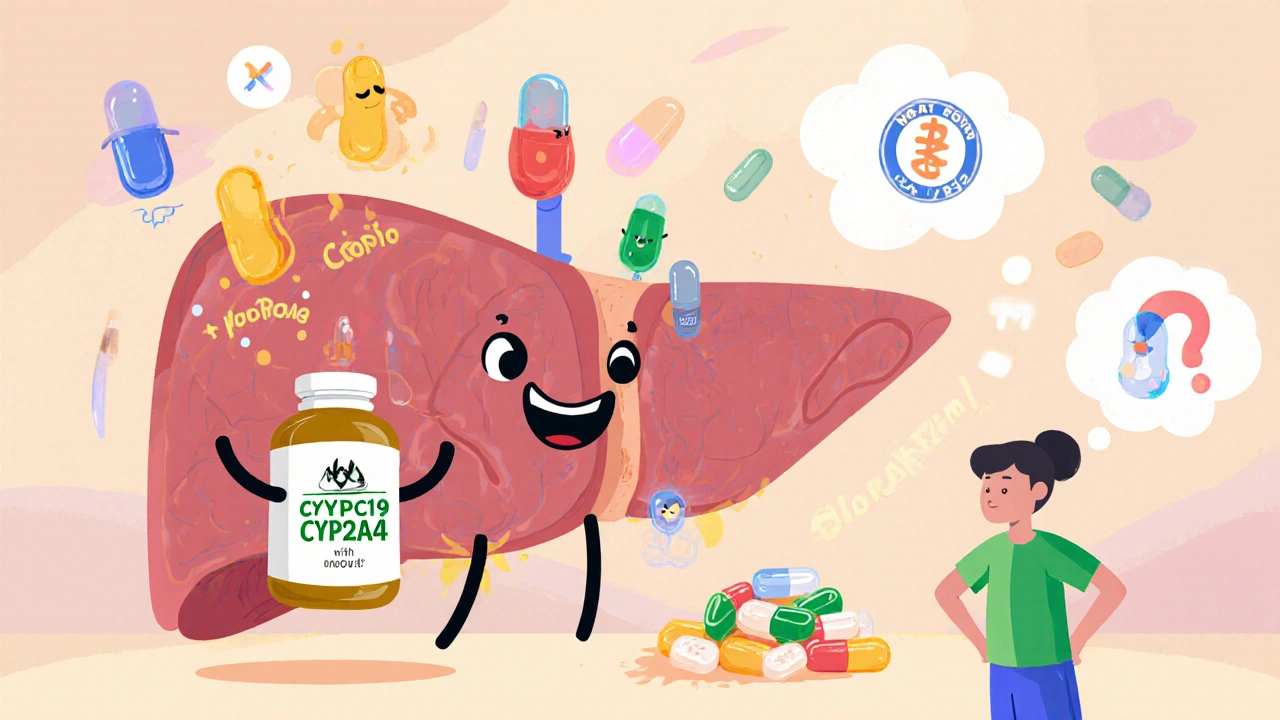
When you take CBD oil, a compound derived from cannabis that affects the body’s endocannabinoid system to reduce pain, inflammation, and anxiety. Also known as cannabidiol, it is widely used for its calming effects—but it doesn’t play well with every medication. Many people assume natural equals safe, but CBD oil can change how your body processes other drugs, sometimes in dangerous ways. It slows down liver enzymes—specifically CYP3A4 and CYP2C19—that break down over 60% of prescription medications. That means if you’re on something like warfarin, benzodiazepines, or antidepressants, CBD can make those drugs build up in your system, turning a normal dose into a risky one.
Take sedating medications, drugs like opioids, benzodiazepines, or sleep aids that slow down your central nervous system. Mixing them with CBD oil? You’re stacking up drowsiness. One study in epilepsy patients showed CBD increased sedation when taken with clobazam, leading to falls and confusion. The same thing can happen with alcohol, muscle relaxants like tizanidine, or even over-the-counter sleep aids. Then there’s blood thinners, medications like warfarin or DOACs that prevent clots but carry a bleeding risk. CBD can interfere with their metabolism, making your blood thinner than intended. People on warfarin have reported spikes in INR levels—sometimes leading to nosebleeds, bruising, or worse—after starting CBD. And it’s not just prescriptions. Herbal supplements like Dong Quai, which also thin the blood, can multiply the risk when combined with CBD.
Even common drugs like antibiotics (ciprofloxacin) or acid reducers (cimetidine) can become unpredictable with CBD. Ciprofloxacin and tizanidine together already cause dangerous drops in blood pressure—add CBD, and the effect gets worse. Cimetidine, which blocks liver enzymes, can cause CBD levels to skyrocket. If you’re on any medication for heart rhythm, epilepsy, depression, or chronic pain, you’re not just taking a supplement—you’re entering a chemical conversation your liver is trying to manage. The key isn’t avoiding CBD entirely. It’s knowing what you’re mixing it with. Talk to your pharmacist. Bring your full med list. Don’t assume your doctor knows about your CBD use—most don’t ask. The safest path isn’t guesswork. It’s a clear, honest conversation with someone who understands how drugs talk to each other.
Below, you’ll find real-world cases showing exactly how CBD oil clashes with common prescriptions, what symptoms to watch for, and how to adjust safely without putting your health at risk.