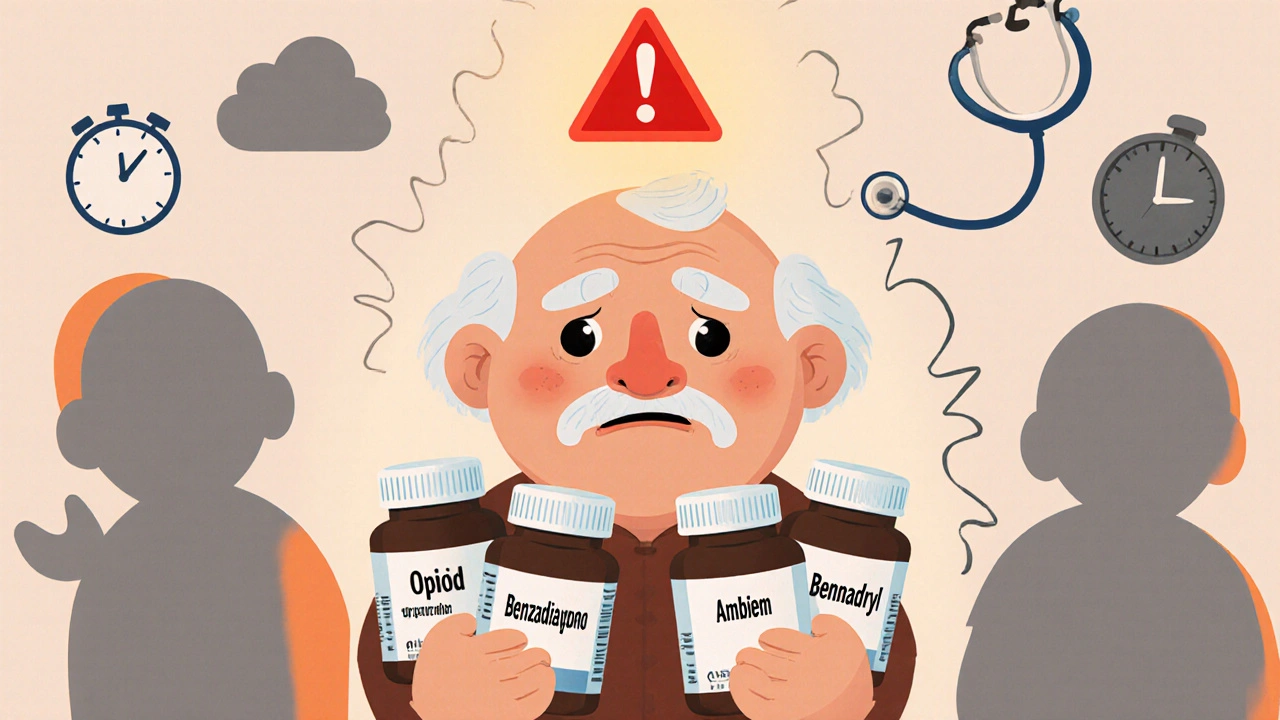
CNS Depressants: What They Are, How They Work, and What You Need to Know
When your brain gets stuck in overdrive—whether from anxiety, insomnia, or muscle spasms—CNS depressants, a class of drugs that reduce brain activity to produce calmness or sleep. Also known as central nervous system depressants, they work by boosting the effect of GABA, a natural brain chemical that slows down nerve signals. These aren’t just sleeping pills or anti-anxiety meds—they’re powerful tools that can save lives… or end them if used carelessly.
You’ll find benzodiazepines, a common type of CNS depressant used for anxiety, seizures, and muscle relaxation in prescriptions like Xanax and Valium. Then there are barbiturates, older sedatives once used for sleep but now mostly replaced due to high overdose risk. And don’t forget sleep aids, like zolpidem, designed for short-term insomnia but still classified as CNS depressants because they act on the same brain pathways. These drugs aren’t interchangeable. Mixing them with alcohol, opioids, or even certain antibiotics like ciprofloxacin—like in the case of tizanidine—can crash your breathing and heart rate. That’s not a myth. That’s a hospital visit waiting to happen.
What ties all these together isn’t just their effect—it’s their risk profile. Many of the posts here show how easily these drugs interact with other meds. CBD oil? It can block the liver enzymes that break down CNS depressants, making you way more sedated than expected. Warfarin? Add it to a muscle relaxant and you’re flirting with dangerous bleeding. Even restarting a dose after a break can be deadly if your body lost tolerance. This isn’t about being scared of medication—it’s about knowing how to use it without putting yourself at risk.
There’s no one-size-fits-all answer here. What works for one person’s insomnia might be a disaster for someone else’s liver or heart. That’s why the articles below dig into real cases: why a generic substitution in a hospital setting might be safer than what you get at the pharmacy, how genetic differences change how your body handles these drugs, and why some people need to avoid certain depressants entirely after menopause or with kidney disease. You’ll find practical advice on spotting warning signs, when to stop cold, and how to talk to your doctor about alternatives. This isn’t theory. It’s what happens when people ignore the fine print—and what happens when they don’t.