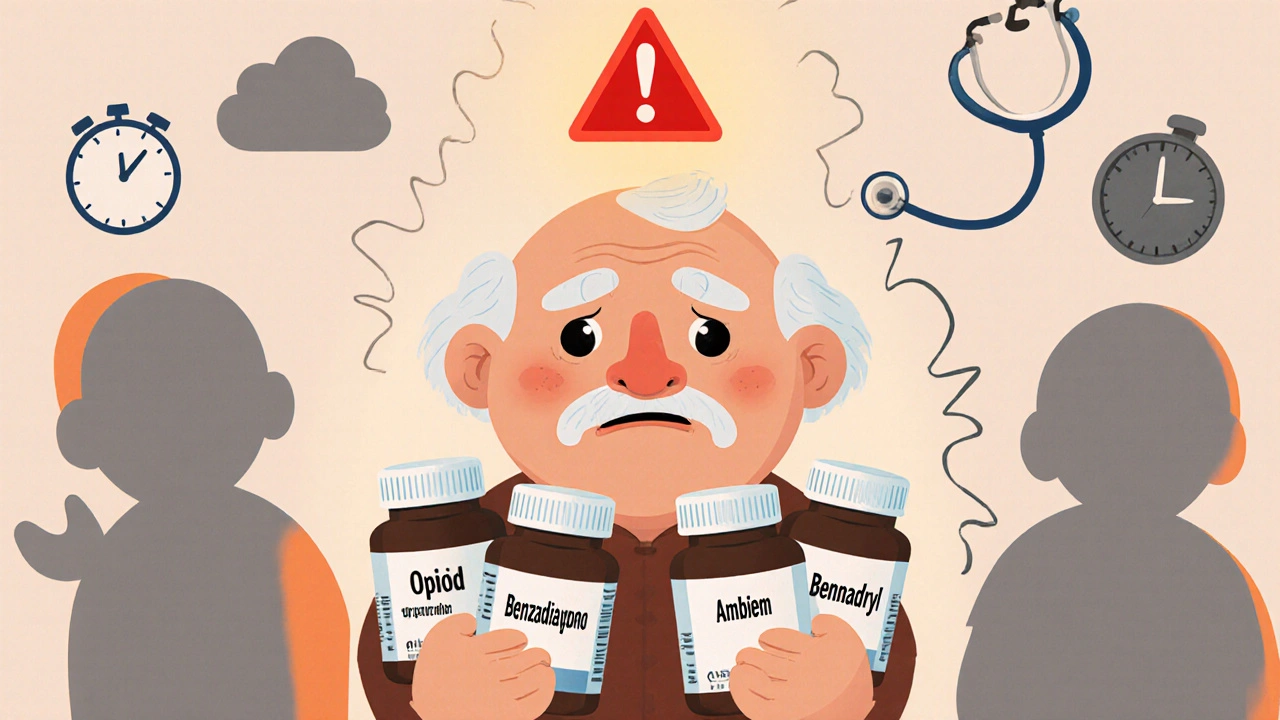
Medication Overdose: Causes, Risks, and How to Stay Safe
When you take too much of a medicine—whether by accident, mistake, or intentional misuse—it’s called a medication overdose, a dangerous buildup of a drug in the body that overwhelms normal function. This isn’t just about illegal drugs. Prescription opioids, benzodiazepines, antidepressants, and even common painkillers like acetaminophen can cause overdose when taken incorrectly or after a break in use. Many people don’t realize that losing tolerance after stopping a drug—even for a few days—can make a normal dose suddenly deadly.
Drug interaction, when two or more medications affect each other’s metabolism or effects is one of the biggest hidden dangers. For example, taking CBD oil with certain blood thinners or antibiotics can block liver enzymes, causing toxic levels to build up. The same goes for mixing tizanidine with ciprofloxacin, or dofetilide with cimetidine—both combinations can trigger life-threatening drops in blood pressure or heart rhythm problems. Even herbal supplements like Dong Quai can dangerously boost bleeding risk when paired with warfarin.
Tolerance loss, the body’s reduced response to a drug after regular use, followed by a sudden return to normal sensitivity is why restarting an opioid or benzodiazepine after a break is so risky. Your body forgets how to handle the dose. A pill that once felt mild can now stop your breathing. That’s why doctors advise starting at the lowest possible dose and watching for signs like extreme drowsiness, slow breathing, or confusion. Having naloxone on hand isn’t just for addicts—it’s smart for anyone who’s been off an opioid, even briefly.
Overdose isn’t always obvious. Sometimes it’s slow: a rise in liver enzymes from too much acetaminophen, or a drop in potassium from diuretics mixed with heart meds. Other times, it’s sudden: a seizure from an antidepressant overdose, or internal bleeding from too much warfarin. The key is knowing your meds, knowing your risks, and knowing what to do if something feels wrong. That’s why documentation matters—writing down what your doctor says, keeping a list of all your drugs, and asking about interactions before adding anything new.
There’s no magic pill to prevent overdose, but there are simple steps: never restart a medication without talking to your doctor, avoid mixing supplements with prescriptions, and learn the signs of trouble. If you’re on a blood thinner, know what bleeding looks like. If you’re on opioids, know how to use naloxone. If you’re on anything that affects your liver, get regular blood tests. These aren’t just warnings—they’re survival tools.
Below, you’ll find real-world guides on exactly how these risks play out—from how generic substitutions can confuse your system, to why post-menopausal women need special care with drug changes, to how genetic differences can make one person react badly to a drug that’s safe for others. Each post is written to help you spot danger before it hits.