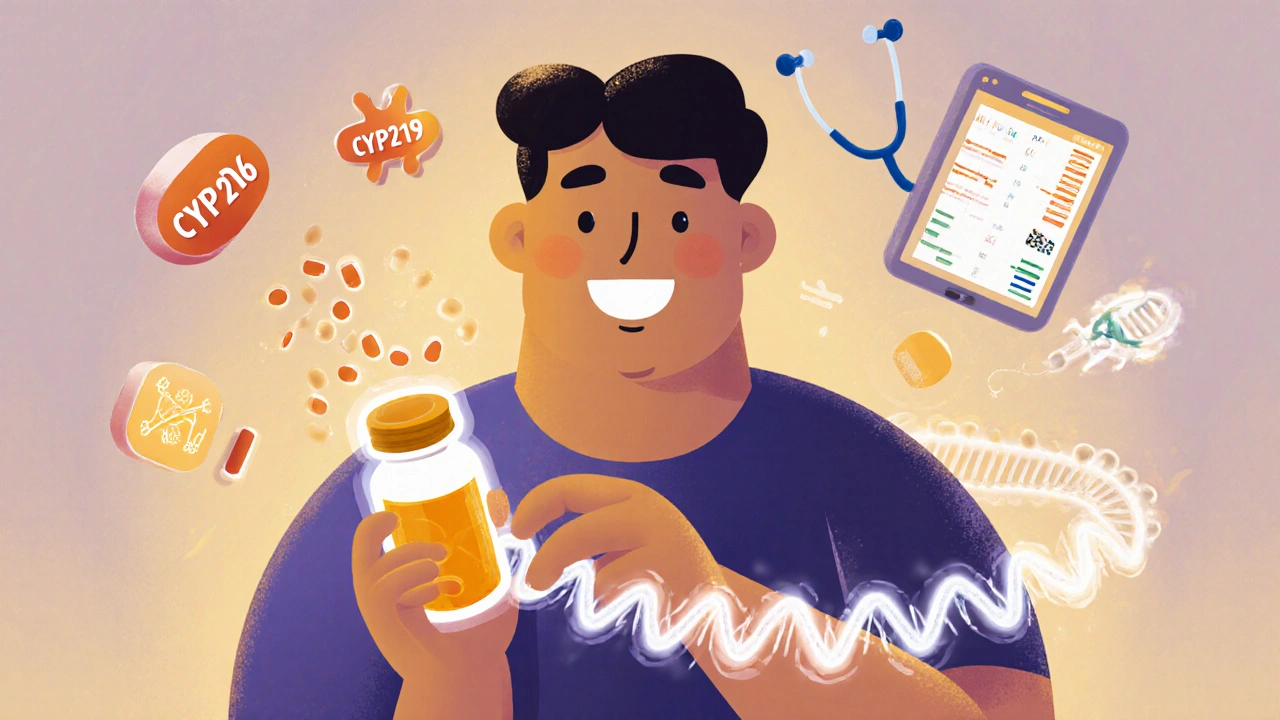
Pharmacogenomics: How Your Genes Affect Your Medications
When you take a pill, your body doesn’t treat it the same way everyone else does. That’s because of pharmacogenomics, the study of how your genes influence how you respond to drugs. Also known as personalized medicine, it’s not science fiction—it’s already changing how doctors prescribe everything from antidepressants to blood thinners. Two people can take the same dose of the same drug, and one might feel great while the other gets sick. Why? It’s not about weight, age, or diet alone. It’s your DNA.
Drug metabolism, how your liver breaks down medications, is controlled by enzymes like CYP2D6 and CYP2C19. Some people have gene variants that make these enzymes work too fast, too slow, or not at all. If you’re a poor metabolizer of codeine, you won’t get pain relief—even if you take the full dose. If you’re an ultra-rapid metabolizer, you could turn that same codeine into morphine too quickly and overdose. This isn’t rare. About 1 in 5 people have a genetic variation that affects how they process common drugs.
Genetic testing, a simple cheek swab or blood test that looks at key drug-response genes is becoming more common in clinics. Hospitals use it before prescribing clopidogrel for heart patients, warfarin for blood clots, or certain cancer drugs. It helps avoid dangerous side effects and wasted time trying meds that won’t work. You don’t need to be sick to benefit—knowing your profile before a prescription can save you from hospital visits, allergic reactions, or ineffective treatments.
Look at the posts below. You’ll see real-world examples: how CBD blocks liver enzymes and causes dangerous interactions, why tizanidine and ciprofloxacin together can drop your blood pressure to dangerous levels, and why restarting an opioid after a break can kill you. These aren’t random side effects—they’re often rooted in your genes. One person’s safe dose is another person’s overdose. That’s pharmacogenomics in action.
Doctors aren’t mind readers. But with your genetic info, they can make smarter calls. Whether you’re on blood thinners, antidepressants, pain meds, or even supplements like CBD, your genes are already influencing your response. The question isn’t whether pharmacogenomics matters—it’s why you haven’t asked your doctor about it yet.