
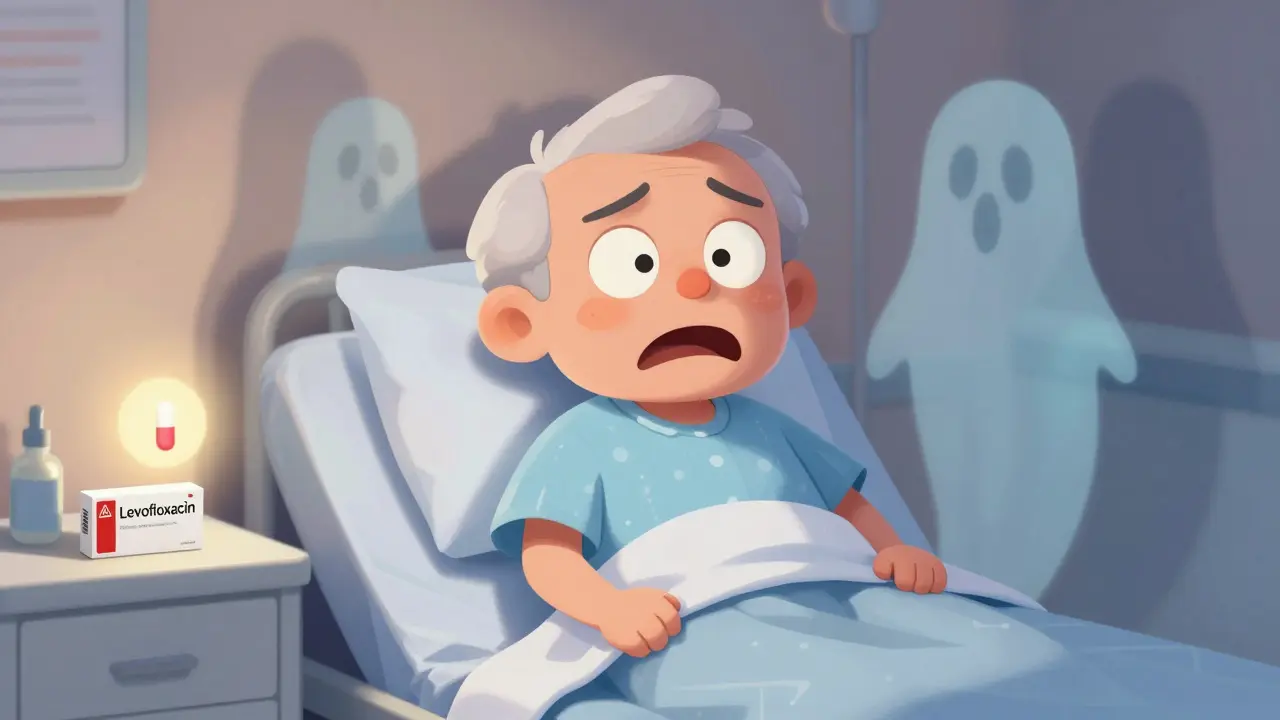
Every year, millions of older adults are prescribed fluoroquinolones for common infections like urinary tract infections or pneumonia. These antibiotics-like levofloxacin, ciprofloxacin, and moxifloxacin-work fast and are often seen as a go-to choice. But for people over 65, especially those with kidney issues or existing memory problems, these drugs can trigger something dangerous: sudden, severe confusion called delirium.
What Is Fluoroquinolone-Induced Delirium?
Delirium isn’t just being forgetful. It’s a sudden, sharp change in mental state that can come on in hours. Someone who was alert and oriented one day might wake up the next confused, hallucinating, or unable to focus. They might not know where they are, think they see people who aren’t there, or become agitated for no clear reason. In older adults, this isn’t just unsettling-it’s life-threatening.Fluoroquinolones are among the most common antibiotics linked to this reaction. The Food and Drug Administration (FDA) updated its warnings in 2018 after reviewing hundreds of cases. They now require labels to state clearly that these drugs can cause disturbances in attention, memory impairment, and serious disturbances in mental abilities called delirium. These aren’t rare side effects-they’re documented, repeatable, and often missed.
Why Does This Happen in Older Adults?
It’s not just about age. It’s about how the body changes as we get older. Kidneys slow down. The blood-brain barrier becomes leakier. Brain chemistry shifts. Fluoroquinolones are designed to penetrate tissues deeply-including the brain. Once there, they interfere with a key brain chemical called GABA, which normally calms nerve activity. When GABA is blocked, the brain gets overexcited. This imbalance can trigger hallucinations, confusion, and seizures in vulnerable people.Studies show that up to 40% of hospitalized older adults are at risk because of age-related kidney decline. Since about 85% of levofloxacin is cleared through the kidneys, even a small drop in function can cause dangerous drug buildup. A 750 mg daily dose-common for serious infections-is especially risky. One case report described a 78-year-old woman who developed vivid visual and auditory hallucinations after just three days on 750 mg of levofloxacin. Her symptoms vanished within 48 hours after stopping the drug.
How Common Is This?
You might think, “This is rare.” And technically, it is. Only about 0.5% of people taking fluoroquinolones report neuropsychiatric side effects. But here’s the catch: those numbers are likely way too low. Many cases go unreported because doctors don’t connect the dots. A 2016 review of 391 patients with antibiotic-induced delirium found that fluoroquinolones were responsible for nearly 18% of cases-more than any other antibiotic class.Real-world experience backs this up. Doctors on forums like Reddit’s r/medicine report seeing 2-3 cases over 10 years. Each time, it took 24-48 hours to realize the antibiotic was the cause. In hospitals, fluoroquinolone-induced delirium can extend stays by days, increase the chance of nursing home placement, and raise the risk of death. The American Academy of Neurology says antibiotics are rarely the first thing doctors suspect when someone suddenly becomes confused.
What Are the Warning Signs?
Symptoms usually appear within 1-3 days of starting the antibiotic. Watch for:- Sudden confusion or disorientation (not knowing the date, place, or who’s around)
- Difficulty focusing or following conversations
- Hallucinations-seeing shadows, people, or insects that aren’t there
- Agitation, irritability, or uncharacteristic aggression
- Slurred speech or incoherent rambling
- Sleep-wake cycle reversal (awake at night, asleep during the day)
These symptoms often fluctuate. A person might seem fine in the morning, then be completely lost by afternoon. That’s a classic sign of delirium, not dementia.
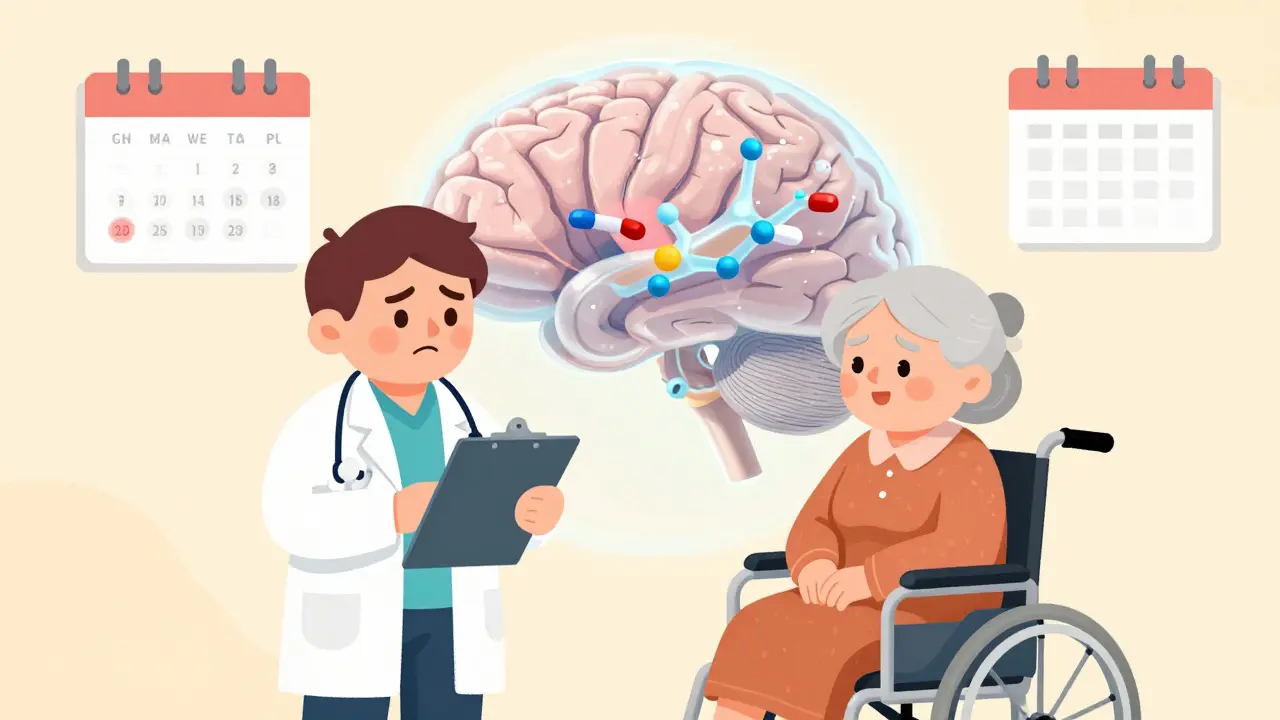
How Is It Diagnosed?
There’s no single blood test. Doctors rely on clinical criteria from the DSM-IV: acute onset, fluctuating symptoms, inattention, and either disorganized thinking or altered consciousness. To rule out other causes, they’ll check:- Electrolytes (sodium, potassium, calcium)
- Blood sugar (low sugar can mimic delirium)
- Thyroid function
- Brain imaging (CT scan to rule out stroke or bleed)
- EEG (to check for seizure activity)
If all those tests are normal and the person started a fluoroquinolone recently, the diagnosis becomes clear.
What’s the Treatment?
The most important step? Stop the antibiotic immediately. That’s it. No special antidote. No long-term therapy. In 90% of cases, symptoms begin to lift within 24 hours and fully resolve in 48-96 hours after discontinuation. One study documented a patient regaining full cognitive function just two days after stopping levofloxacin.But stopping the drug isn’t always enough. The infection still needs to be treated. So doctors switch to a safer alternative-usually a beta-lactam like amoxicillin or ceftriaxone. These antibiotics don’t cross the blood-brain barrier as easily and don’t interfere with GABA receptors. In some cases, metronidazole is used, though it carries its own neurological risks at high doses.
Who’s at Highest Risk?
Not everyone is equally vulnerable. These factors dramatically increase the chance of delirium:- Age over 65
- Chronic kidney disease (CrCl < 50 mL/min)
- History of dementia, stroke, or Parkinson’s
- Previous episode of antibiotic-induced delirium
- Use of high-dose fluoroquinolones (750 mg daily)
- Concurrent use of corticosteroids or NSAIDs
People with these risk factors should avoid fluoroquinolones unless there’s absolutely no other option. The American Geriatrics Society’s 2023 Beers Criteria lists fluoroquinolones as “potentially inappropriate medications” for older adults for this very reason.
Are Some Fluoroquinolones Riskier Than Others?
Yes. While all fluoroquinolones carry this risk, some are more likely to cause trouble:| Drug | CNS Penetration | Renal Clearance | Reported Delirium Cases |
|---|---|---|---|
| Levofloxacin | High (50-90% of plasma levels in CSF) | 85% | Most common |
| Ciprofloxacin | Medium-High | 40-50% | Very common |
| Moxifloxacin | High | 20% | Less common, but still reported |
| Gemifloxacin | Medium | 40% | Less documented |
| Norfloxacin | Low | 60% | Rare |
Levofloxacin is the most frequently implicated-not because it’s stronger, but because it’s the most widely prescribed. Its high brain penetration and heavy reliance on kidney clearance make it a perfect storm for older adults.
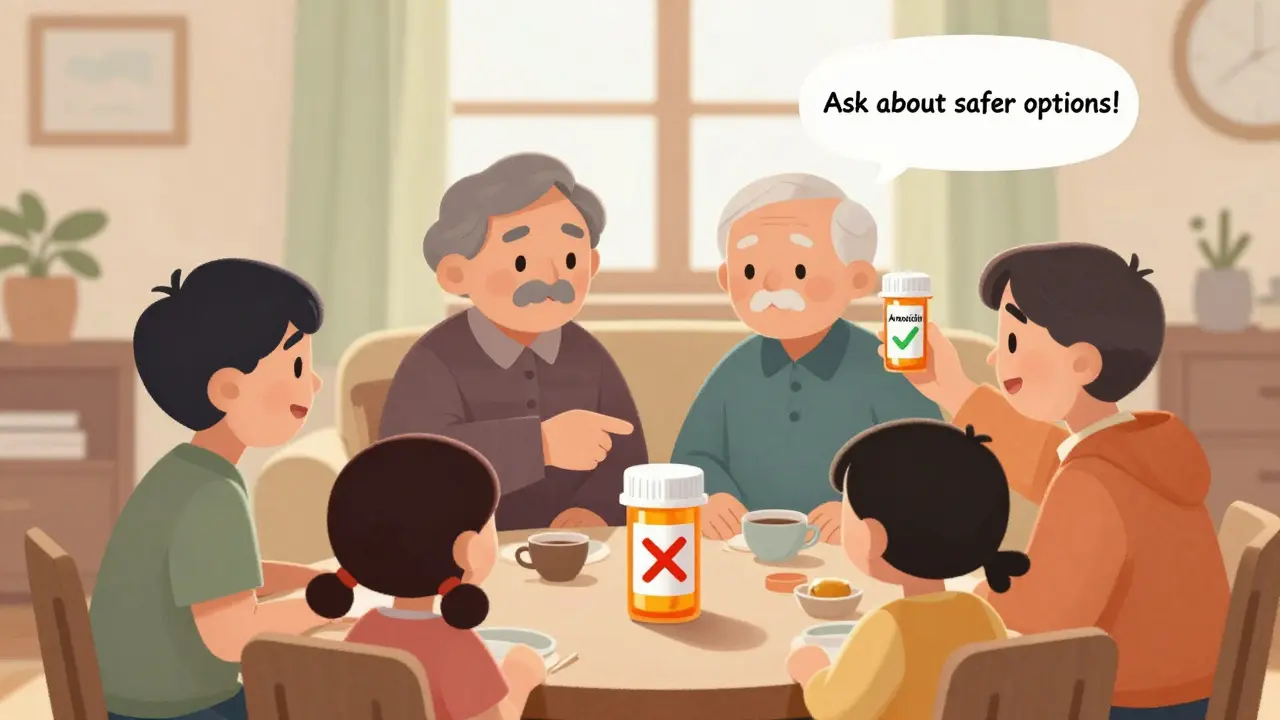
What Are the Alternatives?
For most common infections in older adults, safer options exist:- Urinary tract infections: Nitrofurantoin, fosfomycin, or trimethoprim-sulfamethoxazole (if no resistance)
- Pneumonia: Amoxicillin-clavulanate, doxycycline, or macrolides like azithromycin
- Skin infections: Cephalexin, clindamycin
These drugs don’t cross into the brain as easily and have a much lower risk of triggering delirium. The key is matching the drug to the infection-not defaulting to the broadest-spectrum option.
How Has Prescribing Changed?
Since the FDA’s 2016 and 2018 warnings, things are slowly improving. A 2020 study showed a 20.4% drop in fluoroquinolone prescriptions for older adults. Hospitals like the University of California San Francisco cut levofloxacin use for UTIs by 35% after putting in place risk-screening protocols.Still, over 26 million fluoroquinolone prescriptions were filled in the U.S. in 2019. Many are still given for uncomplicated infections-like mild bladder infections or sinusitis-where they’re not needed. The CDC now recommends fluoroquinolones be used only when no other alternatives exist, especially in older patients.
What Can You Do?
If you or a loved one is prescribed a fluoroquinolone:- Ask: “Is this the only option? Are there safer antibiotics?”
- Check kidney function-ask for a recent creatinine test.
- Watch closely for confusion, hallucinations, or agitation in the first 72 hours.
- If symptoms appear, stop the drug and call the doctor immediately.
- Don’t assume it’s “just aging” or “getting worse dementia.” Delirium is reversible-if caught early.
Most importantly: if you’re caring for an older adult, never hesitate to question a new antibiotic. Your vigilance could prevent a hospitalization-or worse.
What’s Next?
Researchers are now looking for biomarkers that might predict who’s at risk before they even take the drug. Some hospitals are testing clinical decision tools that flag high-risk patients when a fluoroquinolone is prescribed. Future antibiotics may be designed to avoid the brain entirely.But until then, the message is simple: fluoroquinolones are powerful tools-but they’re not harmless. For older adults, the risks often outweigh the benefits. When in doubt, choose safer. When confused, stop the drug. And always, always speak up.
Can fluoroquinolones cause permanent brain damage?
No, fluoroquinolone-induced delirium is almost always reversible. Symptoms typically resolve within 48 to 96 hours after stopping the drug. There’s no evidence that these episodes cause lasting cognitive decline. However, if delirium isn’t recognized and treated quickly, it can lead to complications like falls, prolonged hospital stays, or increased risk of death. The key is early detection and discontinuation.
Is it safe to take fluoroquinolones if I have mild kidney problems?
Not usually. If your kidney function is reduced (CrCl under 50 mL/min), your body can’t clear the drug properly. This leads to higher drug levels in your blood and brain, increasing the risk of delirium. Doctors should lower the dose or choose a different antibiotic. Always ask for your creatinine level and estimated kidney function before starting any fluoroquinolone.
Why aren’t doctors more aware of this risk?
Because delirium is often mistaken for dementia or depression, especially in older patients. Many doctors don’t link sudden confusion to antibiotics unless they’re specifically trained to look for it. The FDA’s 2018 warning was meant to fix this gap, but awareness still lags. If you or a family member develops sudden confusion after starting an antibiotic, bring up fluoroquinolones specifically-it’s not a wild guess, it’s a documented risk.
Can I get fluoroquinolones over the counter?
No. Fluoroquinolones are prescription-only antibiotics in the U.S., Australia, and most developed countries. They’re not available without a doctor’s order. This is partly because of their serious side effects, including tendon rupture, nerve damage, and delirium. Always get antibiotics from a licensed provider who can assess your risk.
What should I do if I think someone is having a reaction?
Stop the medication immediately and contact the prescribing doctor or go to the nearest emergency room. Bring the medication bottle with you. Do not wait to see if symptoms get better. Delirium can worsen quickly. Early intervention means faster recovery and fewer complications. Tell the medical team: “They started a fluoroquinolone three days ago and now they’re confused and hallucinating.” That specificity saves time and lives.






Comments(11)