
Herbal Tea Medication Interaction Checker
Check Your Medications
Enter medications you're currently taking. This tool shows potential interactions with common herbal teas based on medical research.
Interaction Results
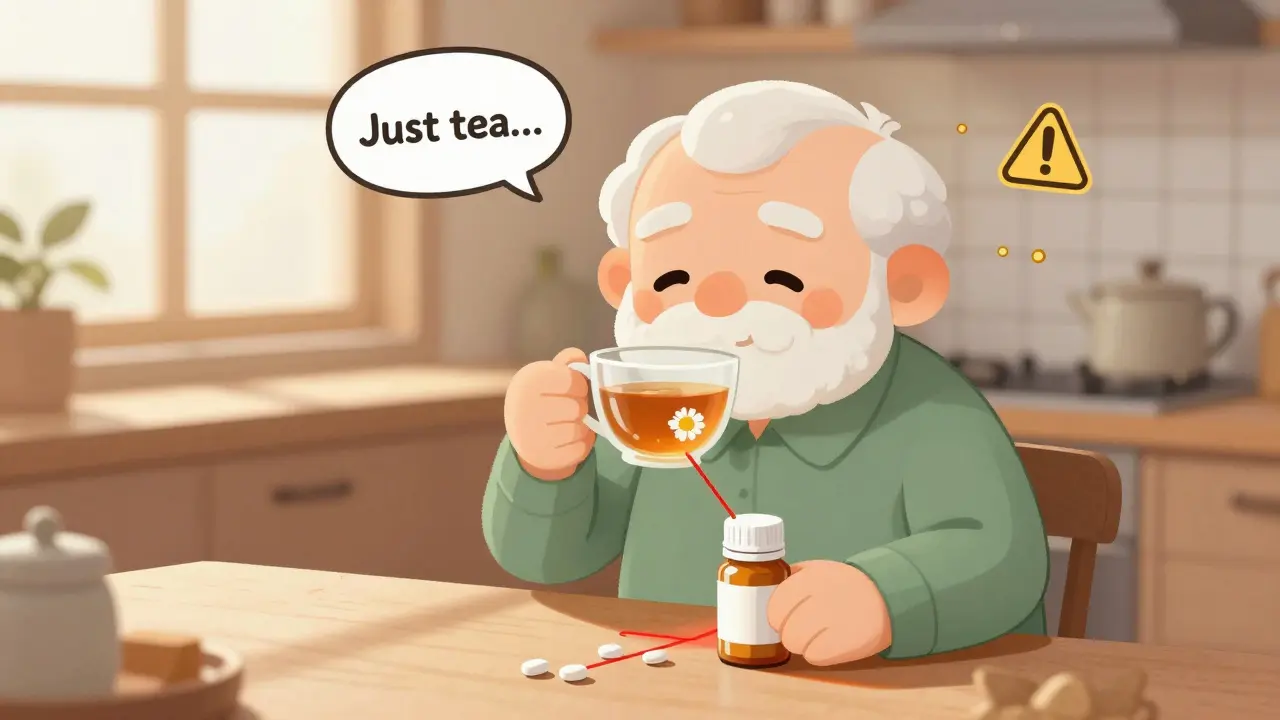
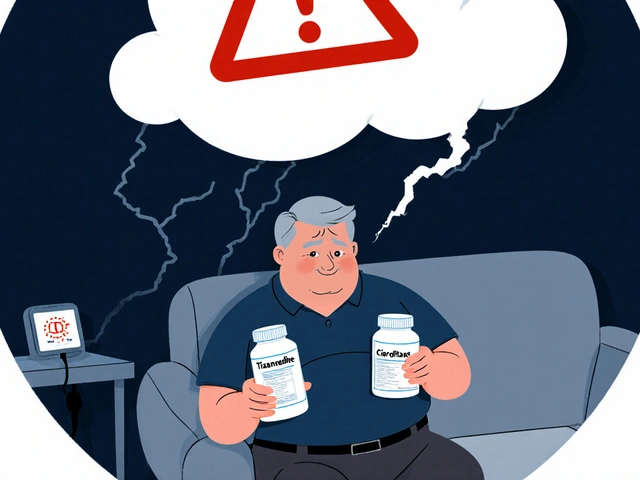
Many people drink herbal teas thinking they’re harmless-just a warm, natural drink. But if you’re taking prescription medications, that cup of chamomile, green tea, or hibiscus could be doing more than soothing you. It might be changing how your medicine works-sometimes dangerously.
Why Herbal Teas Aren’t Always Safe with Medicines
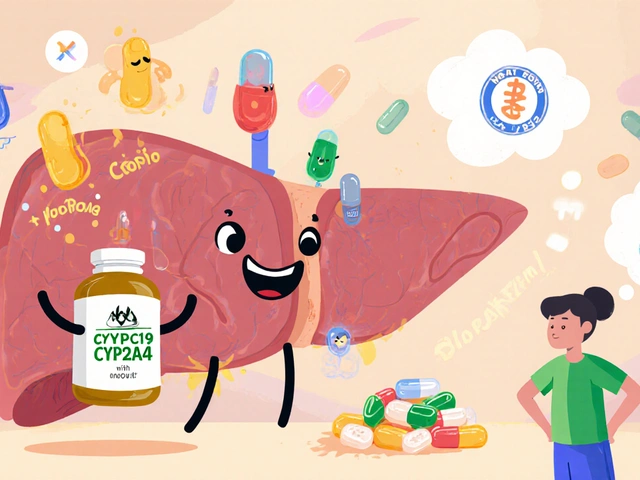
Herbal teas aren’t regulated like drugs. That means they don’t go through the same safety tests before hitting store shelves. The FDA treats them as food, not medicine. So companies don’t have to prove they’re safe to take with your pills. And most people don’t even think to tell their doctor they’re drinking them.Here’s the problem: herbal teas contain active compounds that can interfere with how your body processes medications. Some slow down how fast your liver breaks down drugs. Others block enzymes or transporters that move drugs into your bloodstream. The result? Your medicine might not work at all-or it could build up to dangerous levels.
Take warfarin, a blood thinner. If you drink ginkgo biloba tea regularly, your risk of bleeding skyrockets. The same goes for chamomile, garlic, or ginger tea. All of them can thin your blood. Add them to warfarin, and you’re playing Russian roulette with internal bleeding.
High-Risk Herbal Teas and Their Dangerous Pairings
Some herbal teas have been proven to cause serious, documented interactions. Here are the biggest offenders:- Green tea: Contains EGCG, which blocks the OATP1A1 and OATP1A2 transporters. This can slash the effectiveness of atorvastatin (Lipitor) by up to 39% and nadolol (a beta-blocker) by 85%. It also interferes with antibiotics like ciprofloxacin and cancer drugs like imatinib. One study showed green tea reduced nadolol levels so much that patients lost its blood pressure-lowering effect entirely.
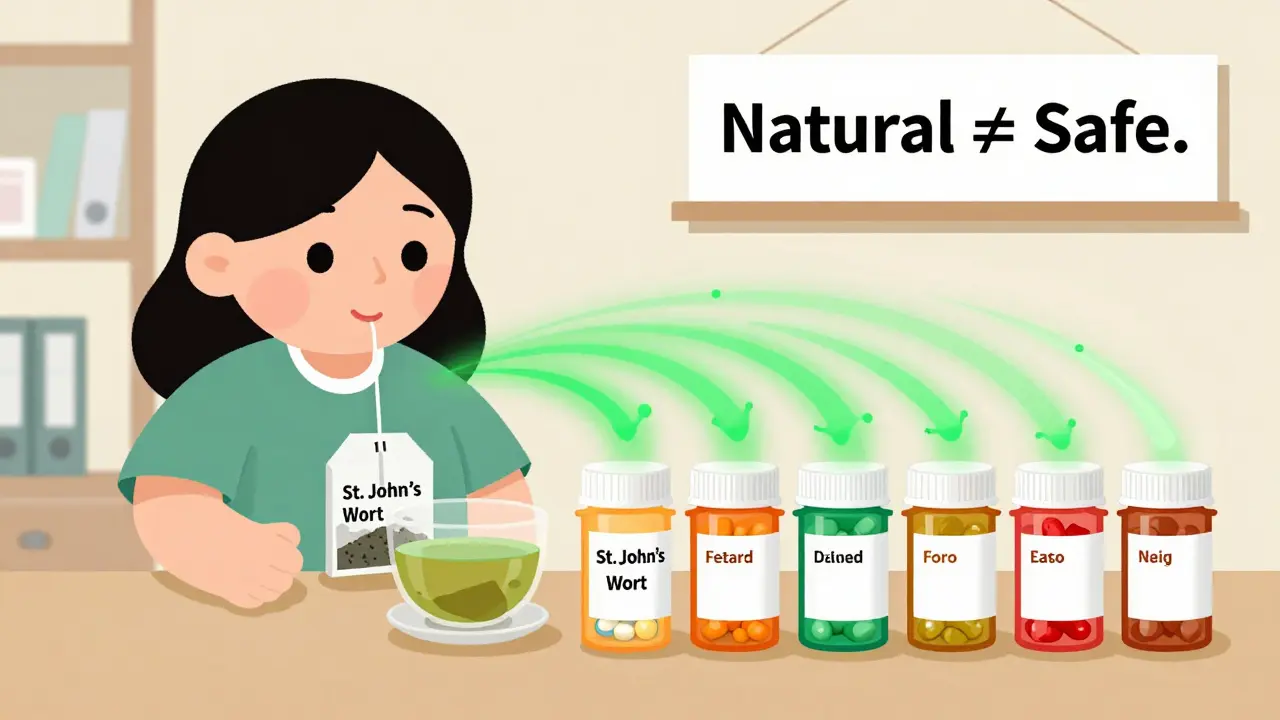
- St. John’s wort: This one is a major problem. It speeds up liver enzymes that break down drugs. That means your antidepressants, birth control pills, HIV meds, and even heart drugs like digoxin can become useless. A single cup of strong St. John’s wort tea can drop drug levels by 50% or more.
- Goldenseal: Often sold as a cold remedy, it inhibits CYP2D6 and CYP3A4-two of the most important liver enzymes. More than half of all prescription drugs rely on these enzymes. That includes painkillers, anti-anxiety meds, and statins. Goldenseal tea can turn your meds into water.
- Hibiscus tea: It acts like an ACE inhibitor, just like lisinopril or enalapril. If you’re already on blood pressure meds, drinking hibiscus tea can push your systolic pressure below 90 mmHg. That’s dangerously low. There are real cases of fainting, dizziness, and falls from this combo.
- Chamomile: Contains apigenin, which may interfere with how your body processes oral contraceptives. It also has mild blood-thinning effects. Combine it with warfarin or aspirin, and you’re increasing your bleeding risk.
Who’s at the Highest Risk?
You’re more likely to have a bad interaction if:- You’re over 65 and take three or more medications (polypharmacy)
- You’re on drugs with a narrow therapeutic index-meaning the difference between a helpful dose and a toxic one is tiny. These include warfarin, digoxin, cyclosporine, theophylline, and lithium.
- You take medications for heart disease, epilepsy, or organ transplants
- You’re on chemotherapy or HIV treatment
Older adults are especially vulnerable. A 2022 Mayo Clinic review found nearly 70% of seniors use herbal supplements, but only 25% tell their doctor. That gap is deadly. A man on warfarin might drink chamomile tea every night thinking it helps him sleep. He doesn’t realize it’s making his blood thinner than his doctor intended. His INR spikes. He ends up in the ER with a brain bleed.
What About Other Teas? Are They Safe?
Not all herbal teas are dangerous-but you can’t assume safety. Here’s a quick breakdown:- Rooibos tea: No known interactions. Low risk. Safe for most people on meds.
- Peach or berry herbal teas: Usually just fruit flavors. Minimal active compounds. Low risk.
- Licorice root tea: Raises blood pressure and lowers potassium. Avoid if you have heart issues or take diuretics or blood pressure meds.
- Echinacea tea: May affect liver enzymes. Not safe with statins or immunosuppressants.
- Peppermint tea: Generally safe. But high doses may interfere with absorption of some drugs. Use in moderation.
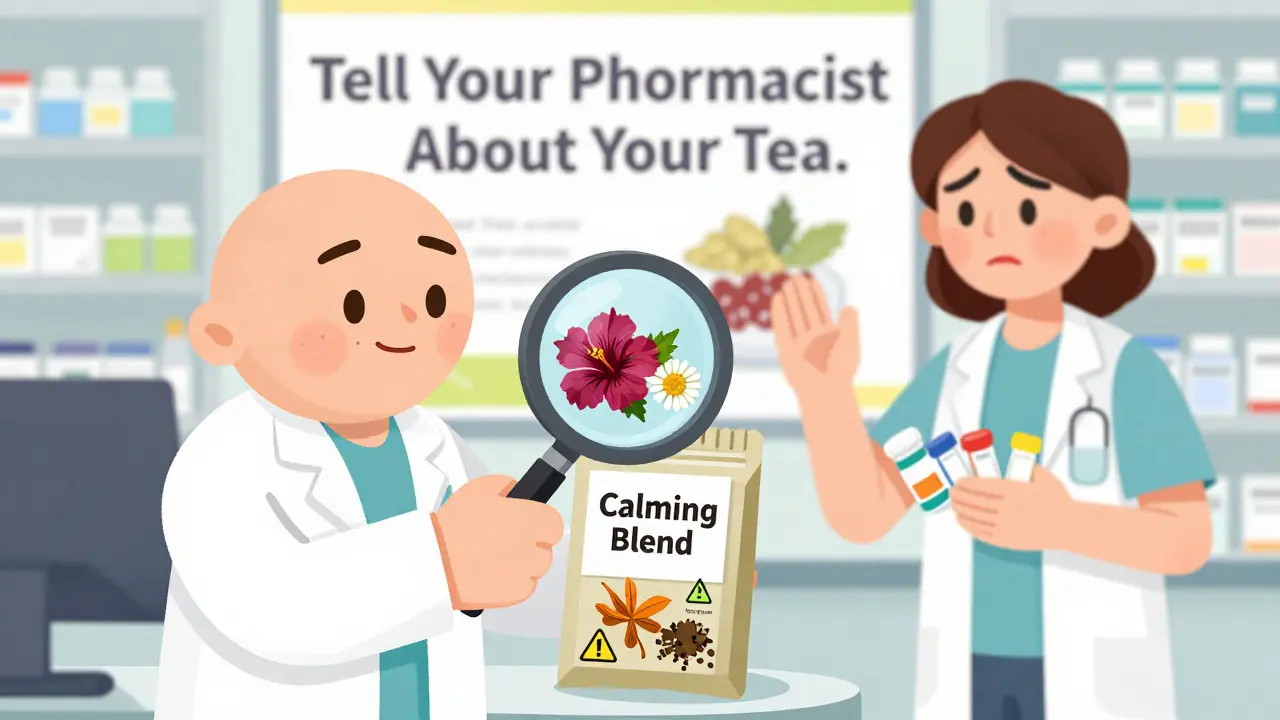
The rule isn’t “all herbal teas are bad.” It’s “know what’s in yours.” Many store-bought blends combine 5-10 herbs. You might think you’re drinking just ‘calming tea,’ but it could contain chamomile, valerian, skullcap, and hibiscus-all with known interaction risks.
How to Protect Yourself
The best way to avoid a dangerous interaction? Talk to your doctor or pharmacist. But don’t just say, “I drink tea.” Be specific:- Write down every tea you drink daily-name, brand, how often, how strong
- Bring the tea box or bag to your appointment
- Ask: “Could this tea interfere with any of my medications?”
- Don’t assume ‘natural’ means ‘safe.’ The FDA warns: ‘Natural does not mean safe.’
Also, avoid concentrated herbal extracts. A tea bag steeped for 5 minutes is far less potent than a capsule or tincture. But even brewed tea can be risky if you drink three or more cups a day.
What If You’ve Already Been Mixing Them?
If you’ve been drinking herbal tea with your meds and feel fine-don’t panic. But don’t ignore it either. Watch for these signs:- Unexplained bruising or bleeding (gums, nose, skin)
- Dizziness or fainting
- Sudden change in blood pressure
- Feeling your medication isn’t working anymore
- Unusual fatigue or nausea
If you notice any of these, stop the tea immediately and contact your provider. Don’t wait. Some interactions take weeks to show up. Others hit fast.
What’s Being Done to Fix This?
Researchers are finally taking this seriously. In 2023, the NCCIH put $4.2 million toward studying tea-drug interactions. The FDA is developing better testing standards. The European Medicines Agency now requires interaction warnings on 17 common herbal teas.But until we have better labeling and patient education, the burden falls on you. You’re the only one who knows what’s in your cup. You’re the only one who can speak up to your doctor.
Bottom Line
Herbal teas are not harmless. They’re powerful plant extracts with real biological effects. If you’re on medication, especially for heart, blood, mental health, or immune conditions, treat herbal tea like a drug-not a snack.Know what’s in your cup. Tell your doctor. Don’t guess. A simple conversation could save your life.



Comments(13)