Orange Book: What It Is and How It Guides Drug Approval and Alternatives
When you hear Orange Book, the FDA’s official publication listing approved drug products with therapeutic equivalence evaluations. Also known as Approved Drug Products with Therapeutic Equivalence Evaluations, it’s the go-to reference for pharmacists, doctors, and patients who need to know which generic drugs are truly interchangeable with brand-name versions. This isn’t just a government document tucked away in a library—it’s something that directly affects what you pay at the pharmacy and whether your insurance will cover a cheaper version of your medication.
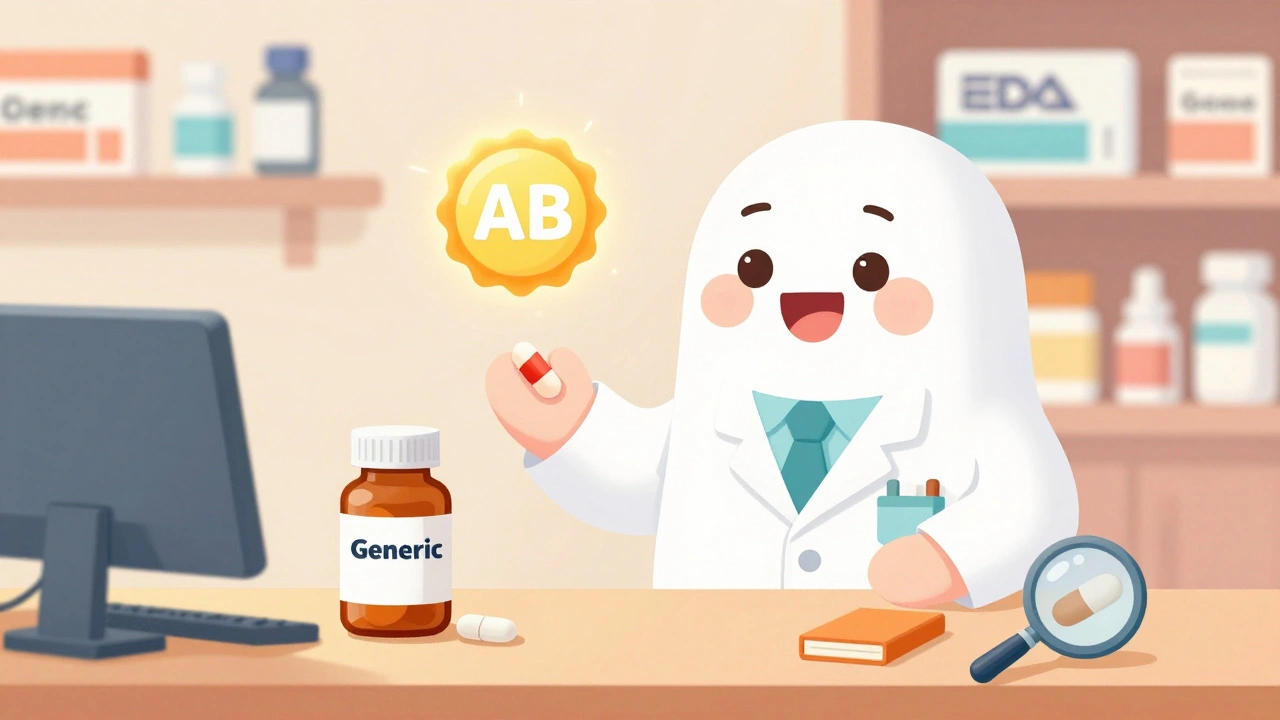
The Orange Book doesn’t just list drugs—it tells you if a generic is bioequivalent, meaning it works the same way in your body as the brand name. That’s critical because not all generics are created equal. Some are authorized generics, made by the same company as the brand, while others are produced by different manufacturers. The therapeutic equivalence codes (like AB1, BX) tell you whether a substitution is safe without a doctor’s note. If a drug has an AB rating, you can swap it freely. If it’s BX, don’t assume it’s interchangeable—your pharmacist should flag that.
You’ll find this info matters most when you’re dealing with narrow-therapeutic-index drugs like warfarin, levothyroxine, or phenytoin. Even small differences in absorption can cause serious side effects. That’s why the Orange Book is so important: it prevents dangerous substitutions and helps you avoid paying more than you have to. It’s also why some pharmacies automatically switch your prescription to a generic unless your doctor says no—and why others won’t, even if the generic is listed. The Orange Book gives them the rules.
What you’ll see in the posts below isn’t just a list of drug guides—it’s a practical toolkit built around real-world issues tied to the Orange Book. From understanding why your insurance won’t cover your brand-name pill, to figuring out if a cheaper generic is safe for your condition, to knowing when a drug shortage forces a switch, these articles tie directly to how the Orange Book shapes your access to medication. Whether you’re managing diabetes, gout, or a chronic condition that needs precise dosing, knowing how to read between the lines of this official list can save you money, time, and risk.