
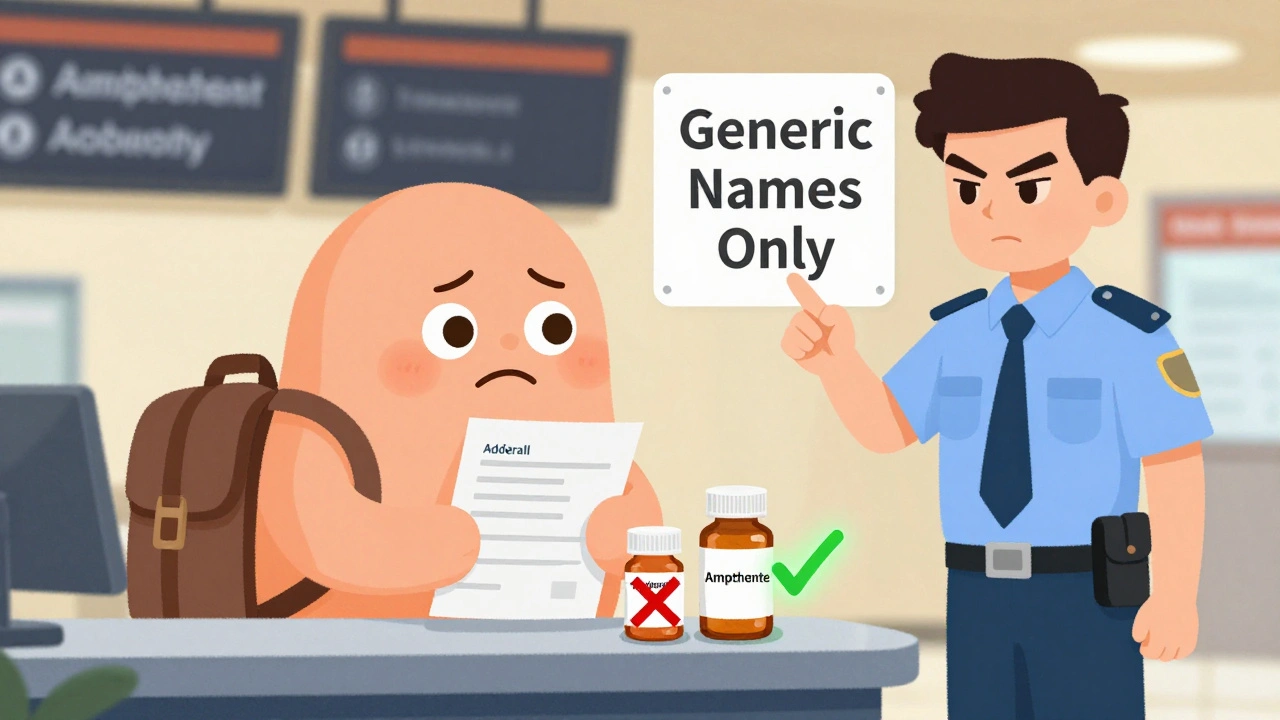
Imagine landing in Tokyo after a long flight, only to have your medication seized because the pharmacist didn’t recognize the brand name on the bottle. Or being detained in Dubai because your doctor’s letter didn’t mention the chemical name of your pill. These aren’t rare horror stories-they happen to thousands of travelers every year. And the problem isn’t your medicine. It’s the paperwork.
Why You Need a Doctor’s Letter for Controlled Substances
Not all medications are treated the same around the world. Things like Adderall, Xanax, oxycodone, or even some sleep aids are tightly controlled under international drug treaties. These rules exist to stop drug trafficking, but they also trap honest travelers who just need their medicine to function. The 1961 Single Convention on Narcotic Drugs and the 1971 Convention on Psychotropic Substances set the global standard. Today, 186 countries follow these rules. That means if you’re carrying opioids, stimulants, benzodiazepines, or other regulated substances, you’re entering a legal gray zone unless you have the right documents. A doctor’s letter isn’t optional-it’s your legal shield. Without it, even a 30-day supply of your regular prescription can be treated like contraband. According to the International Narcotics Control Board (INCB), 127 travelers were detained in 2022 just because their documentation was incomplete. Average detention time? Over two weeks.What Must Be in the Letter
A good doctor’s letter isn’t just a note. It’s a formal medical document with specific requirements. The CDC’s 2023 template spells it out clearly:- Your full name and date of birth (must match your passport)
- The doctor’s full name, title, clinic address, phone number, and license number
- The generic name of each medication (not the brand name-Adderall becomes amphetamine, Xanax becomes alprazolam)
- Exact dosage, frequency, and route (e.g., 10 mg orally once daily)
- The medical condition being treated (e.g., ADHD, chronic pain, anxiety disorder)
- A clear statement that the medication is necessary for your health and that you are authorized to carry it
- The doctor’s original signature and official letterhead
Quantity Limits and Packaging Rules
Carrying too much is just as dangerous as carrying none. The FDA and U.S. Customs and Border Protection (CBP) advise no more than a 90-day supply for personal use. Some countries are stricter. Singapore and Malaysia cap it at 30 days. Exceed that, even with perfect documentation, and you risk fines or jail. Your pills must be in their original containers-with the pharmacy label still attached. This isn’t just a suggestion. It’s the law in the U.S., Canada, Australia, and most of Europe. If you’ve transferred pills to a pill organizer, you need a second letter explaining why, plus your original prescription. Electronic prescriptions from telehealth visits are now accepted by the FDA and CBP, but only if they include the prescriber’s digital signature and are printed out. A screenshot on your phone won’t cut it.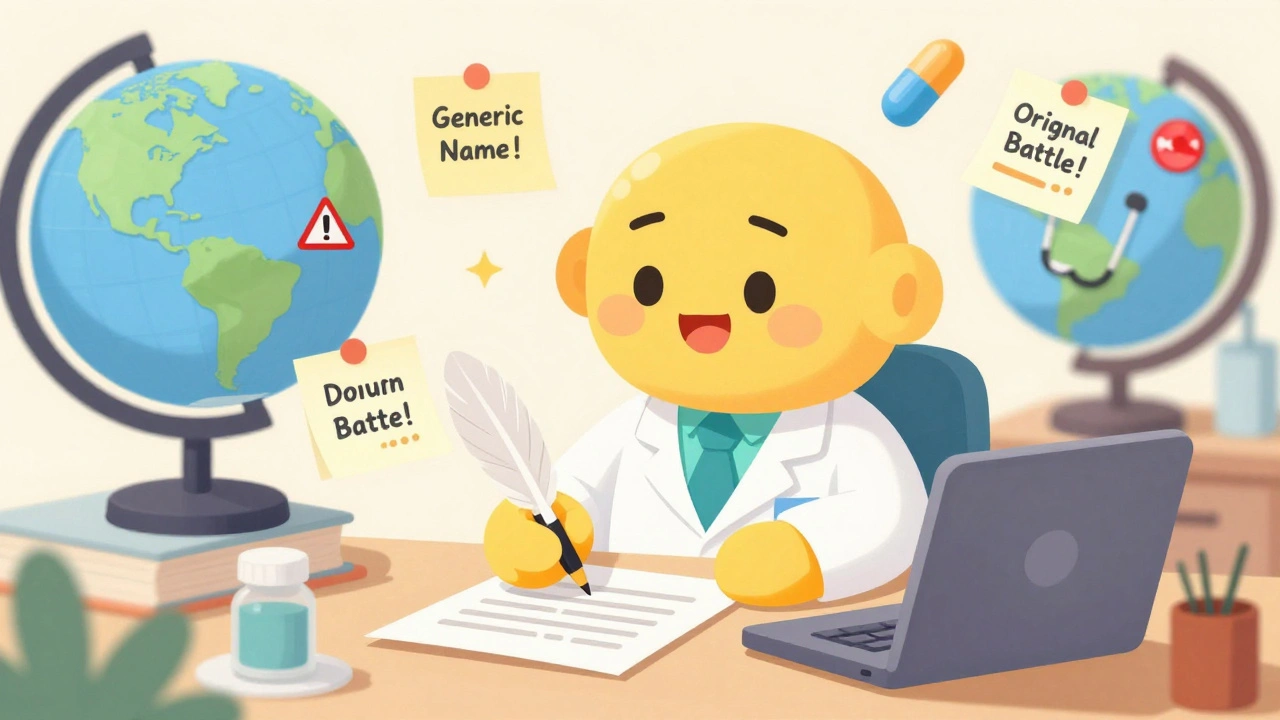
Country-by-Country Rules You Can’t Ignore
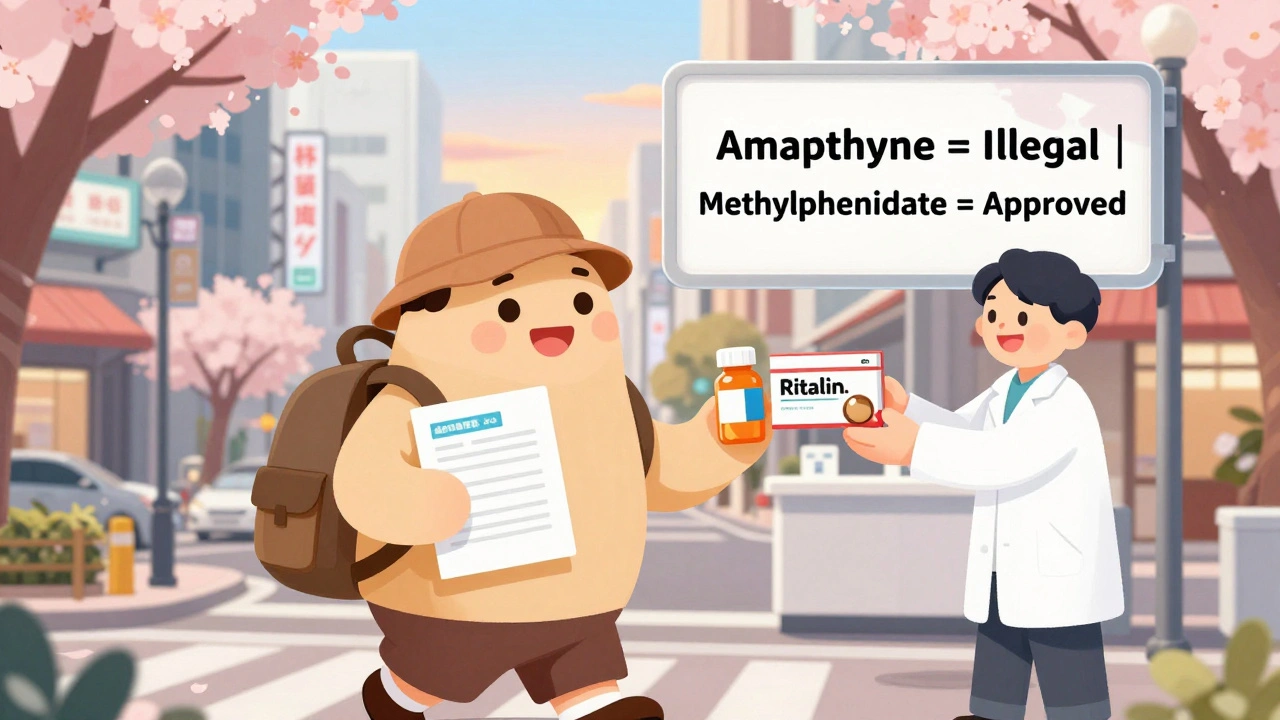
There’s no global standard. Every country interprets the rules differently.- Japan: Amphetamine-based ADHD meds (Adderall, Vyvanse) are illegal. Even with a letter, you can’t bring them in. Alternatives like methylphenidate (Ritalin) are allowed, but only with prior approval from Japan’s Ministry of Health.
- United Arab Emirates: You need advance approval from the Ministry of Health-even with a letter. Apply at least 30 days before travel.
- United States: You need both the doctor’s letter and the original prescription for Schedule II-V drugs. CBP officers check both.
- Canada: Accepts doctor’s letters alone for up to 100 dosage units. No prescription needed if the letter is complete.
- European Union: Recognizes letters from other EU countries. Non-EU travelers must follow the same rules as EU residents.
- Singapore: Criminal penalties for exceeding 30-day supply-even if you have a letter. No exceptions.
What to Do Before You Leave
Start early. Don’t wait until the week before your trip.- Make a complete list of every medication you take-generic names, doses, and reasons.
- Call your doctor’s office at least two months before departure. Ask them to use the CDC’s official template. If they say they don’t have it, email them a link to the CDC’s 2023 Yellow Book template.
- Verify your destination’s rules on their official government or embassy website. Don’t trust travel blogs.
- Print two copies of the letter. Keep one with your passport. Leave one in your checked luggage.
- Carry your meds in original bottles. If you need a pill organizer, bring the original bottles as backup.
- If you’re flying with multiple controlled substances, get a separate letter for each one. One letter per drug is the safest approach.
What Happens If You Get Stopped?
If customs asks about your meds:- Stay calm. Don’t argue.
- Hand over your letter and original prescription immediately.
- Don’t offer extra information unless asked.
- If they confiscate your meds, ask for a receipt. You may be able to get them returned later.
What’s Changing in 2025
The world is moving toward digital documentation. The INCB launched a pilot in 12 European countries in 2023 for a standardized digital medical certificate. The European Commission is funding a €2.4 million project to create a unified EU system by late 2024. The FDA and CBP now accept telehealth prescriptions with digital signatures. But paper copies are still required at borders. So even if your doctor sends you a PDF, print it. More countries are tightening rules. In 2022 alone, 28 nations introduced new restrictions on medication imports. By 2025, 41 countries have committed to aligning with INCB’s unified procedures. That’s good news-eventually, it’ll mean fewer surprises. But for now, the system is messy.Final Checklist Before You Fly
- [ ] Doctor’s letter on official letterhead, signed and dated- [ ] Generic names listed for every medication
- [ ] Dosage, frequency, and medical condition clearly stated
- [ ] Original prescription bottles with pharmacy labels
- [ ] No more than a 90-day supply (30 days for Singapore/Malaysia)
- [ ] Printed copy of letter in your carry-on and checked bag
- [ ] Embassy website confirmation of rules for your destination
- [ ] Certified translation if the letter isn’t in English (required by FDA)
- [ ] Separate letter for each controlled substance
If you’re taking ADHD meds, opioid painkillers, or benzodiazepines, this isn’t a suggestion. It’s your ticket to staying healthy and legal abroad.
Do I need a doctor’s letter for over-the-counter drugs?
No, you don’t need a letter for common OTC meds like ibuprofen, antihistamines, or acid reducers. But if the drug contains a regulated ingredient-like pseudoephedrine (found in some cold pills)-you might. Check your destination’s rules. For example, pseudoephedrine is banned in Japan and tightly controlled in parts of Southeast Asia.
Can I use a digital copy of the letter on my phone?
Some countries accept it, but most don’t. U.S. Customs and Border Protection requires printed documents. Airlines may also ask for hard copies at check-in. Always carry at least two printed copies-one in your carry-on, one in your checked luggage. Digital files are a backup, not a replacement.
What if my doctor won’t write the letter?
Some doctors aren’t familiar with international travel rules. Provide them with the CDC’s official template (available online). If they still refuse, visit a travel medicine clinic or urgent care center that specializes in international travel. Many offer this service for a small fee. Your health isn’t optional-neither is this letter.
Can I bring my medication in a pill organizer?
Yes-but only if you also carry the original bottles with pharmacy labels and your doctor’s letter. Some countries allow pill organizers for convenience, but they require proof that the pills match the documentation. Don’t rely on memory or labels you printed yourself. Use the original containers as your legal proof.
Are there any medications that are completely banned everywhere?
Yes. Medications containing ephedrine, pseudoephedrine (in high doses), and amphetamine (like Adderall) are banned in Japan, Saudi Arabia, and several Middle Eastern and Asian countries. Even with a letter, you can’t bring them in. If you take these, you’ll need to switch to alternatives before travel. Talk to your doctor at least 60 days ahead.





Comments(9)