
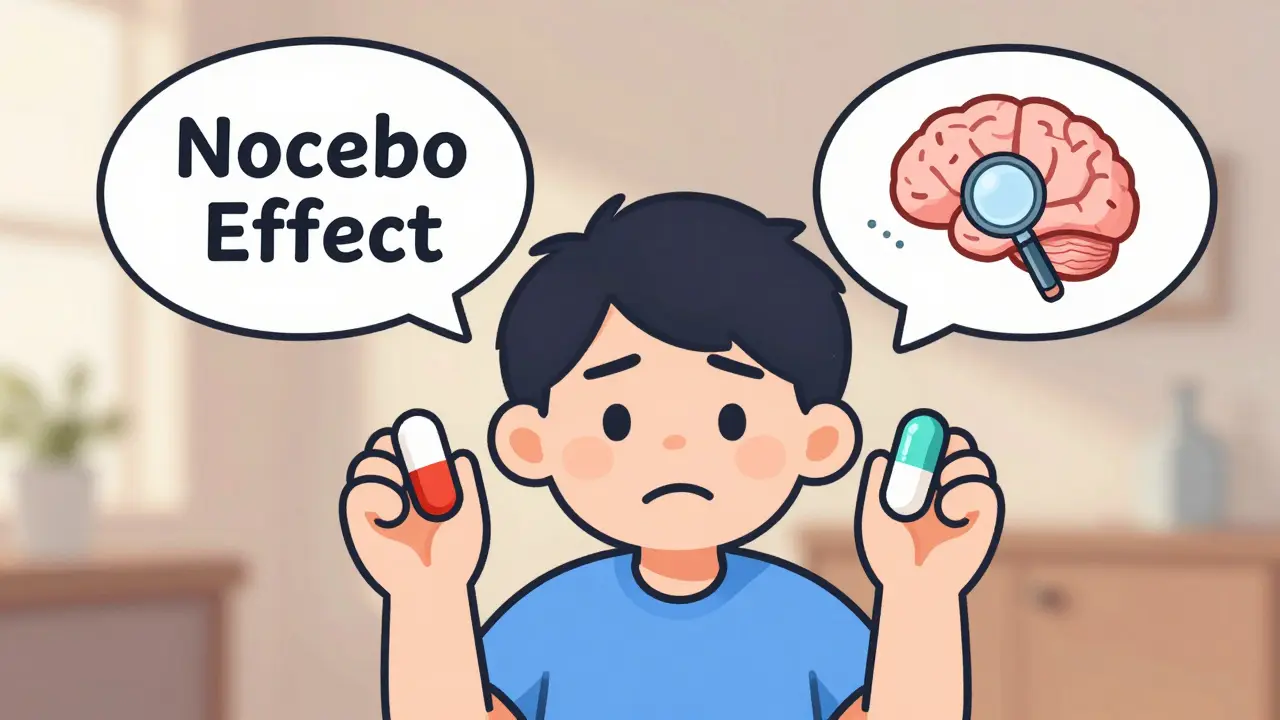
Imagine switching from your brand-name blood pressure pill to a cheaper generic version - and suddenly, you feel dizzy, tired, and your head starts pounding. You blame the new pill. But here’s the twist: the active ingredient is exactly the same. So why do you feel worse? The answer isn’t in the chemistry. It’s in your mind. This is the nocebo effect - and it’s quietly costing people their health, their money, and their trust in medicine.
What Exactly Is the Nocebo Effect?
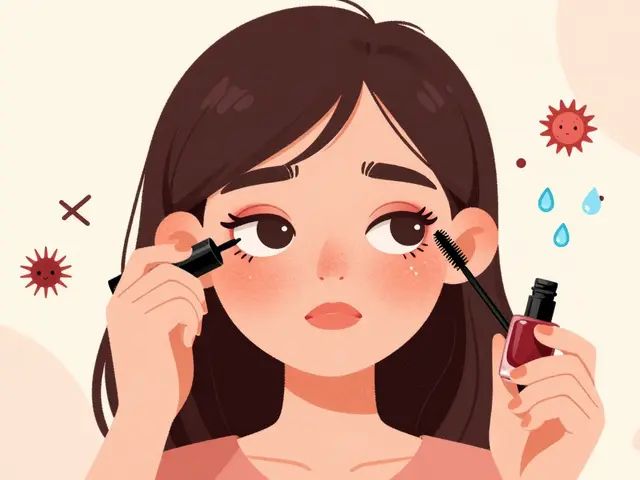
The nocebo effect is the dark twin of the placebo effect. Placebo? That’s when you feel better because you believe a treatment will help - even if it’s just a sugar pill. Nocebo? That’s when you feel worse because you believe something will hurt you. The word comes from Latin: nocebo means “I shall harm.” It’s not imaginary. Your brain doesn’t distinguish between real and expected harm. When you’re told a medication might cause side effects, your nervous system starts scanning your body for those symptoms. A minor headache? Must be the new pill. A little muscle ache? Definitely the generic. Fatigue? Of course - it’s not working right. Studies show that in clinical trials, about 1 in 5 people taking a sugar pill report side effects. Nearly 1 in 10 quit the trial because they felt worse. And these aren’t people with imaginary illnesses. These are real people with real symptoms - triggered by nothing but expectation.Why Generics Trigger the Nocebo Effect
Generic drugs are chemically identical to their brand-name counterparts. They contain the same active ingredient, in the same dose, and are tested to be just as effective. But they look different. They cost less. And that’s where the problem starts. Patients often assume: If it’s cheaper, it must be weaker. Doctors sometimes say things like, “This is the generic version - it’s the same, but it might take a little longer to kick in.” That’s enough to plant doubt. And doubt triggers the nocebo effect. One study found that when patients were switched from brand-name antidepressants to generics without proper explanation, 32% reported new side effects. In the control group - who were told the switch was safe and effective - only 12% did. The medication didn’t change. The belief did. Even statins - a common cholesterol drug - show this pattern. In double-blind trials, people taking sugar pills reported muscle pain at the same rate as those taking real statins. The pain wasn’t caused by the drug. It was caused by the fear of the drug.How Your Brain Turns Normal Sensations Into Side Effects
Your body is always sending signals. A slight ache here. A bit of tiredness there. A change in mood. These are normal. But when you’re told a new medication might cause these things, your brain starts filtering everything through that lens. It’s called heightened interoception - your brain becomes hyper-aware of internal sensations. And it links them to the new pill. You didn’t feel worse because the drug changed. You felt worse because your attention changed. One experiment showed that when patients were told an epidural injection would feel “like a bee sting,” they reported significantly more pain than those told it would be “comfortable.” The needle was the same. The injection was the same. Only the words changed. This is why people report sexual side effects from beta-blockers - even when they weren’t told about them. When researchers warned one group that beta-blockers could cause this, those patients were 3 to 4 times more likely to report the issue. The drug didn’t cause it. The suggestion did.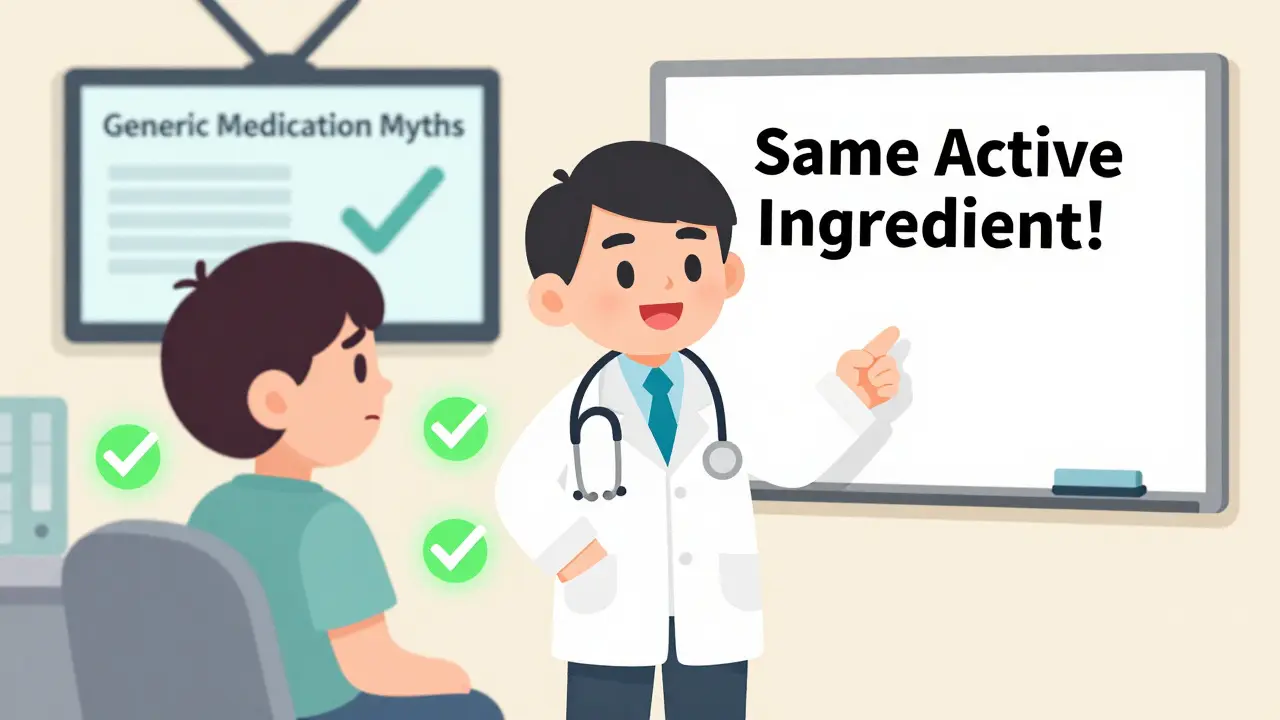
Doctors, Media, and the Amplification of Fear
It’s not just patients. Doctors, media, and even online forums play a role. In New Zealand, when the brand-name antidepressant venlafaxine was switched to a generic version, initial reports of side effects stayed flat. Then the media ran stories about “problems with generics.” Within weeks, reports to health authorities jumped dramatically. The medication hadn’t changed. The story had. Doctors who say, “I don’t trust generics,” or “I only prescribe the brand,” unknowingly reinforce patient fears. A 2022 study found that when physicians were trained to explain generics positively - “This works just as well, saves you money, and is just as safe” - patient-reported side effects dropped by 28%. Pharmaceutical companies know this. Pfizer launched a “nocebo mitigation” campaign for its generic atorvastatin. They redesigned patient leaflets, removed fear-based language, and focused on equivalence. Result? A 22% drop in adverse event reports.The Real Cost: Money, Health, and Trust
This isn’t just about feeling bad. It’s about money. In the U.S., 90% of prescriptions are for generics - but they make up only 24% of total drug spending. Why? Because people stop taking them. They go back to the brand-name version. Or they quit altogether. The result? An estimated $1.2 billion a year wasted on avoidable brand-name prescriptions and extra doctor visits. Worse, people stop taking life-saving medications. Someone with high blood pressure drops their generic pill because they “feel weird.” Their pressure spikes. They end up in the hospital. All because they believed the cheaper pill wouldn’t work. The World Health Organization says negative beliefs about generics are a top barrier to proper medication use in two-thirds of countries. And it’s not just in rich nations. It’s everywhere.How to Fight the Nocebo Effect - As a Patient
You don’t have to fall for it. Here’s how to protect yourself:- Ask your doctor: “Is this generic the same as the brand?” If they say yes - believe them. It’s not a trick. It’s science.
- Ignore the packaging. Color, shape, and size don’t matter. Only the active ingredient does.
- Don’t Google side effects before starting. Searching for “generic statin side effects” will make you notice every little twinge. Wait until you’re on it - and then judge based on real experience, not fear.
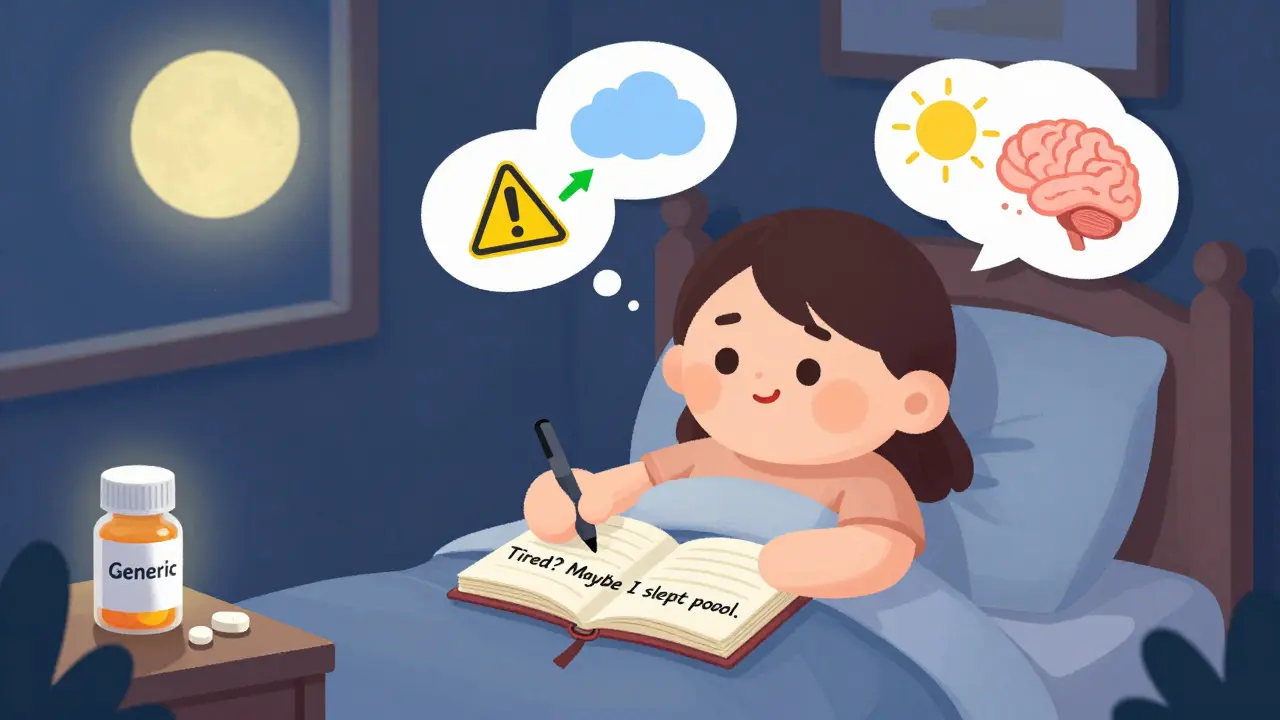
- Track symptoms objectively. Write down how you feel before and after. If you’re tired, ask: Was I tired before? Was I stressed? Was I sleeping poorly? Don’t assume it’s the pill.
- Give it time. Your body adjusts. If you feel off in the first week, wait two more weeks. Many “side effects” fade.
How to Fight the Nocebo Effect - As a Doctor or Pharmacist
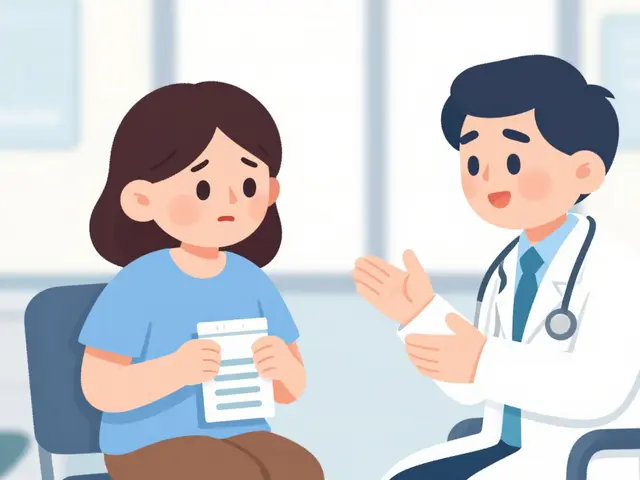
If you’re the one prescribing or dispensing:- Never say: “This is the generic version.” Say: “This is the same medication as your previous one - just a different brand.”
- Emphasize equivalence: “It’s tested to work just as well. The FDA requires it.”
- Avoid warning language: Don’t say, “Some people report side effects.” Say, “Most people feel no difference at all.”
- Use positive framing: “This will save you $50 a month - and work just as well.”
- Normalize the switch: “Most patients switch without issue. We do this all the time.”




Comments(8)