
SGLT2 Inhibitor Risk Calculator
This calculator estimates your risk of urinary complications while taking SGLT2 inhibitors based on key risk factors identified in medical studies.
When you’re managing type 2 diabetes, finding a medication that lowers blood sugar without causing dangerous side effects is critical. SGLT2 inhibitors like canagliflozin, dapagliflozin, and empagliflozin became popular because they do more than just control glucose-they protect the heart and kidneys. But there’s a hidden downside many patients don’t expect: a higher risk of yeast infections and serious urinary complications.
How SGLT2 Inhibitors Work (and Why They Cause Infections)
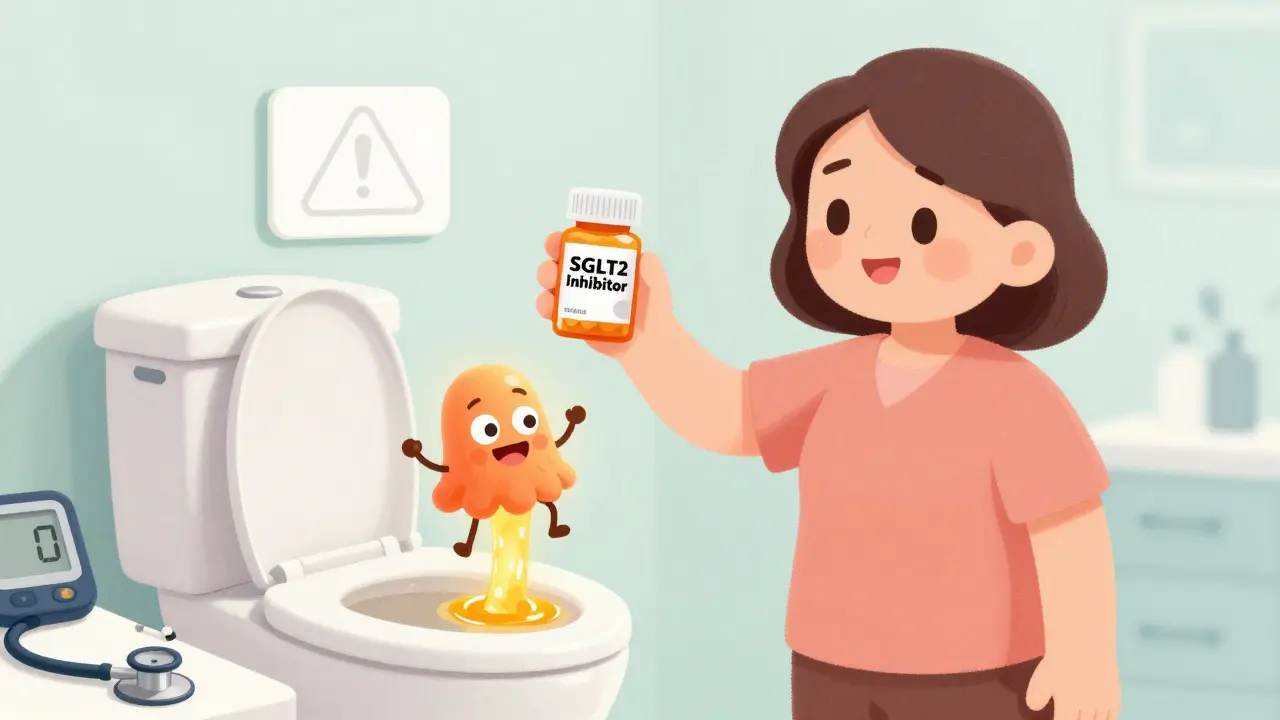
SGLT2 inhibitors work by forcing your kidneys to flush out extra sugar through urine. Normally, your kidneys reabsorb glucose back into your bloodstream. These drugs block that process, so 40 to 110 grams of glucose end up in your urine every day. That sounds like a win for blood sugar control-but it also turns your urinary tract into a sugary buffet for bacteria and fungi.
Yeast, especially Candida, thrives in that environment. In clinical trials, 3% to 5% of people taking SGLT2 inhibitors developed genital yeast infections, compared to just 1% to 2% on placebo. For women, that often means vulvovaginal candidiasis-itching, burning, thick white discharge. For men, it’s balanitis: redness, swelling, and discomfort around the head of the penis. These aren’t just annoying-they can become recurring problems if not treated early.
The Bigger Risk: Serious Urinary Tract Infections
Genital infections are common, but they’re not the worst of it. SGLT2 inhibitors also increase your risk of urinary tract infections (UTIs) by nearly 80% compared to other diabetes drugs like DPP-4 inhibitors. What makes this dangerous is how quickly a simple UTI can turn into something life-threatening.
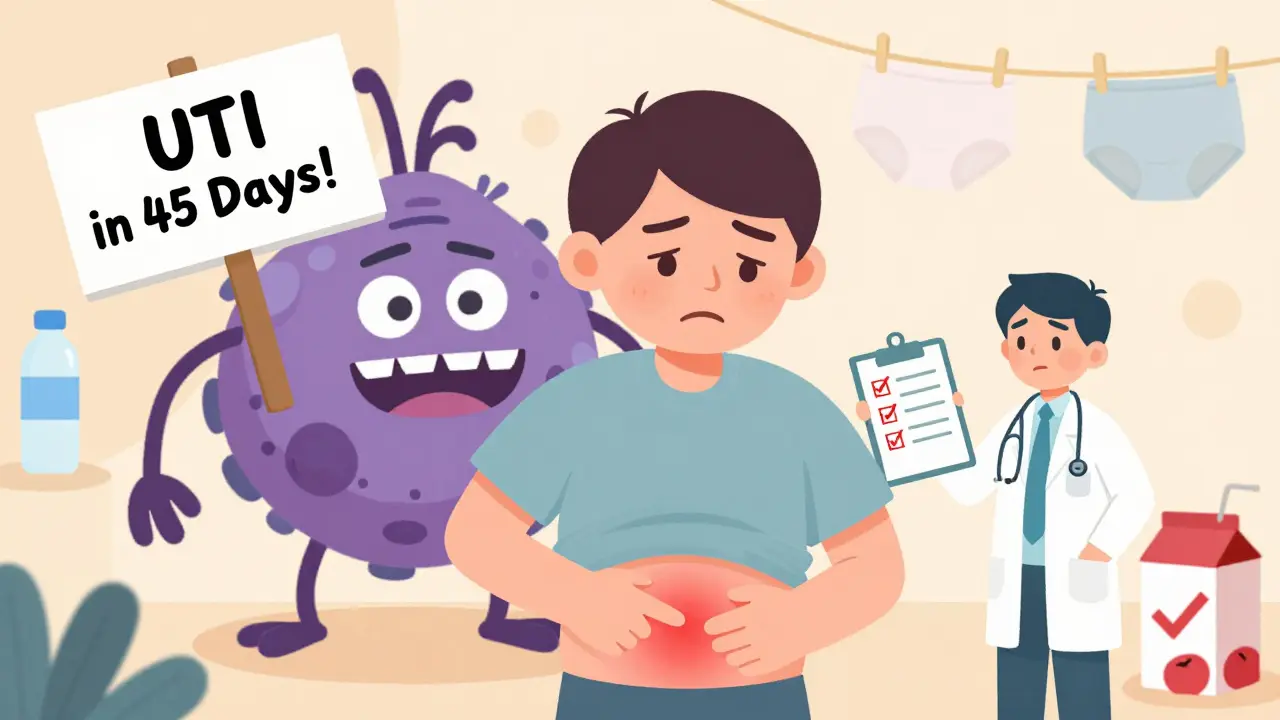
The FDA reviewed data from 2013 to 2014 and found 19 confirmed cases of urosepsis-bloodstream infection from a kidney or bladder infection-linked to SGLT2 inhibitors. All 19 patients needed hospitalization. Four ended up in intensive care. Two needed dialysis because their kidneys failed. The average time from starting the drug to infection? Just 45 days.
One case reported by the National Institutes of Health involved a 64-year-old woman who developed emphysematous pyelonephritis-a rare, gas-forming kidney infection-while taking dapagliflozin. She needed surgery and 14 days of IV antibiotics. Eleven months later, after restarting the drug, she got another kidney infection and a perinephric abscess. She told her doctor: “I never had urinary problems before this medication, and now I’ve had two life-threatening infections.”
Who’s at Highest Risk?
Not everyone on SGLT2 inhibitors gets infected. But certain factors make complications much more likely:
- Women (due to shorter urethra and proximity to vaginal flora)
- People with a history of recurrent UTIs or yeast infections
- Those with poor genital hygiene
- Patients with diabetes-related nerve damage (neuropathy), which can mask early symptoms
- Individuals with kidney impairment (eGFR below 60)
- People over 65
- Those with HbA1c above 8.5%
A 2024 study in Diabetes Care created a simple 5-point risk score. If you have three or more of these factors, your chance of a serious urinary complication jumps to over 15%. That’s not a small risk-it’s a red flag.
What the Experts Say
The FDA added warnings to all SGLT2 inhibitor labels in 2015 after seeing those 19 urosepsis cases. They didn’t pull the drugs-they just said: “Be careful.” The European Medicines Agency later added a warning about Fournier’s gangrene, a rare but deadly infection that eats away at skin and tissue around the genitals. It’s extremely rare-less than 1 in 10,000-but it’s happened.
Dr. Michael J. Fowler from Vanderbilt University puts it plainly: “The absolute risk of serious infection is low-about 0.1%. But when it happens, it’s catastrophic. Clinicians must stay alert.”
Endocrinologists now treat SGLT2 inhibitors like a powerful tool-not a first-line solution for everyone. The American Diabetes Association recommends checking for past urinary infections before prescribing them. If you’ve had two or more UTIs in the last year, they suggest trying something else first-like a GLP-1 receptor agonist or a DPP-4 inhibitor.
What You Should Do If You’re Taking One
If you’re on canagliflozin, dapagliflozin, empagliflozin, or ertugliflozin, here’s what you need to do right now:
- Watch for symptoms. Itching, burning, redness, or swelling in the genital area? Pain or burning when urinating? Fever over 100.4°F? Feeling generally unwell? Don’t wait. Call your doctor immediately.
- Hydrate. Drink plenty of water. It flushes sugar out faster and dilutes the urine, making it harder for microbes to multiply.
- Practice good hygiene. Wash daily with mild soap and water. Dry thoroughly. Avoid scented wipes or douches. Change underwear daily. Wear cotton, not synthetic fabrics.
- Don’t ignore mild symptoms. A small yeast infection can turn into a kidney infection in days. Early treatment with antifungals like fluconazole can stop it before it spreads.
- Ask about alternatives. If you’ve had one infection, talk to your doctor about switching. There are other diabetes medications with lower infection risks.
Are There Ways to Reduce the Risk?
Yes. Some evidence suggests cranberry products-juice or supplements-may help. A 2023 FDA safety update noted that cranberry use was linked to a 29% lower rate of UTIs in SGLT2 inhibitor users. It’s not a magic fix, but it’s a low-risk strategy that might help.
Another option: your doctor might lower your dose. Lower doses of SGLT2 inhibitors still lower blood sugar but cause less glycosuria. That means less sugar in urine-and lower infection risk.
Researchers are also working on next-generation drugs. Dual SGLT1/2 inhibitors are in development. They may reduce glucose excretion in the kidneys while increasing it in the gut, potentially lowering infection rates. But those aren’t available yet.
When to Stop the Medication
Most people can safely stay on SGLT2 inhibitors if they’re monitored. But if you’ve had:
- Two or more yeast infections in six months
- One complicated UTI (kidney infection, sepsis, or hospitalization)
- Any signs of Fournier’s gangrene (sudden severe pain, swelling, fever, skin discoloration in the genital area)
-you should stop the drug and switch. The benefits don’t outweigh the danger. And yes, it’s okay to ask for a different medication. Your health comes first.
Why These Drugs Are Still Prescribed
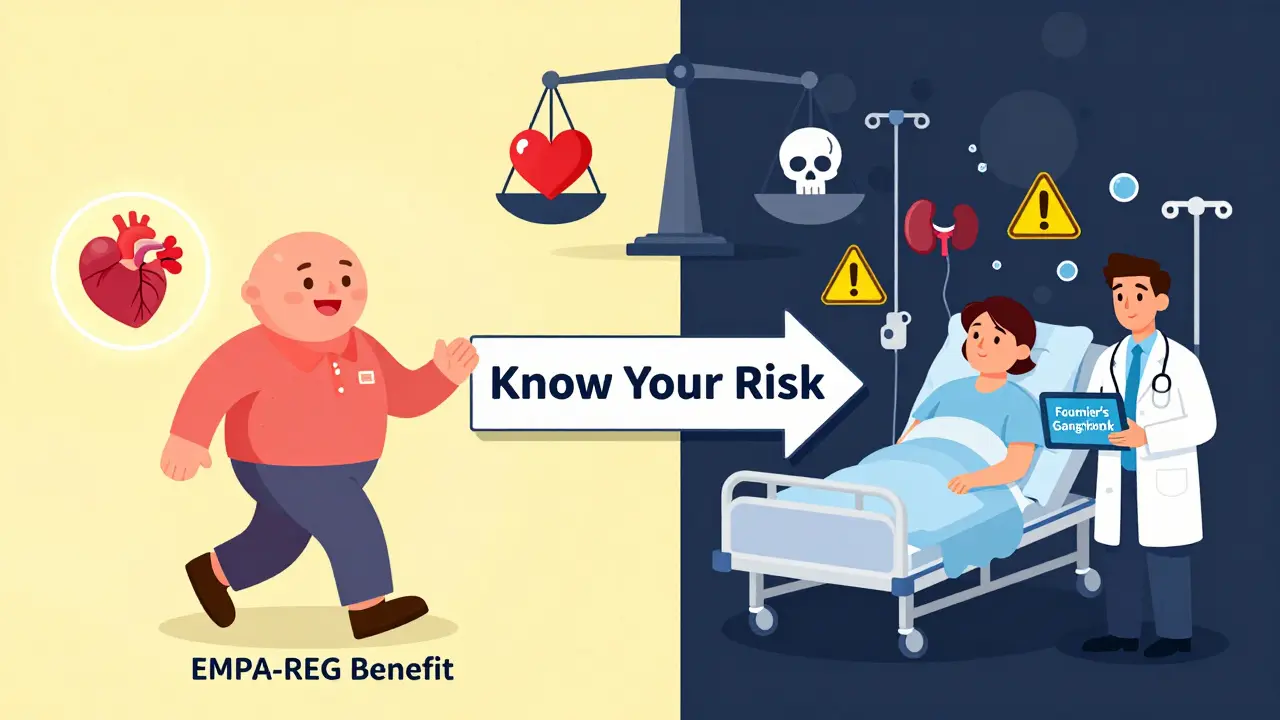
Despite the risks, SGLT2 inhibitors are still among the most prescribed diabetes drugs. Why? Because they save lives.
In the EMPA-REG OUTCOME trial, empagliflozin cut cardiovascular death by 38% in high-risk patients. In the CANVAS trial, canagliflozin reduced heart failure hospitalizations by 33%. They also slow kidney disease progression-something few other diabetes drugs do.
For someone with heart failure or chronic kidney disease, the benefits can be life-changing. But for someone with recurrent UTIs? The risk may be too high.
The key isn’t avoiding these drugs entirely-it’s matching the right patient to the right medication. If you’re young, healthy, and have no history of infections, SGLT2 inhibitors could be ideal. If you’ve struggled with yeast or UTIs before, there are better choices.
Bottom Line
SGLT2 inhibitors are powerful, but they’re not risk-free. The sugar they flush out to control your blood sugar is the same sugar that feeds infections. Most people won’t have problems-but enough will that you need to be aware.
Don’t assume your doctor knows your full history. If you’ve had even one yeast infection since starting the drug, speak up. If you’re experiencing symptoms, don’t wait. Early action prevents hospital stays, surgeries, and worse.
These drugs are tools. Used right, they protect your heart and kidneys. Used carelessly, they can put your life at risk. Know the signs. Know your risks. And never hesitate to ask for a different option if something doesn’t feel right.
Can SGLT2 inhibitors cause yeast infections in men?
Yes. While vulvovaginal yeast infections are more common in women, men taking SGLT2 inhibitors can develop balanitis-an inflammation of the head of the penis caused by Candida. Symptoms include redness, itching, swelling, and a thick, white discharge. It’s treatable with antifungal creams or oral fluconazole, but it often returns if the drug is continued without addressing the root cause.
How soon after starting SGLT2 inhibitors do infections typically appear?
Most genital infections occur within the first 3 months of starting the medication. Urinary tract infections, including serious ones like pyelonephritis, typically appear between 30 and 90 days after beginning treatment. The FDA found the median time to serious infection was 45 days. That’s why early monitoring is critical.
Is it safe to keep taking SGLT2 inhibitors if I get a yeast infection once?
One infection doesn’t mean you have to stop-but it’s a warning sign. If you treat it quickly and improve hygiene, you may be able to continue. But if it comes back, your doctor should consider switching you to a different diabetes medication. Recurrent infections mean the drug’s mechanism is creating an environment your body can’t control.
Do cranberry supplements really help prevent UTIs on SGLT2 inhibitors?
Yes, there’s growing evidence. A 2023 FDA safety update cited studies showing cranberry products reduced UTI incidence by 29% in people taking SGLT2 inhibitors. The compounds in cranberries prevent bacteria from sticking to the bladder wall. While not a substitute for medical care, they’re a safe, low-risk addition for those at risk. Look for unsweetened juice or standardized supplements with at least 36 mg of proanthocyanidins daily.
What are the alternatives to SGLT2 inhibitors if I’m at high risk for infections?
For patients with recurrent infections, DPP-4 inhibitors (like sitagliptin) and GLP-1 receptor agonists (like semaglutide or liraglutide) are preferred. They lower blood sugar without causing glycosuria, so they don’t increase infection risk. Metformin remains first-line for most patients. If you have heart failure or kidney disease, GLP-1 agonists offer similar cardiovascular benefits without the urinary side effects.
Can SGLT2 inhibitors cause kidney damage?
They usually protect the kidneys-but only if infections are caught early. A severe UTI that spreads to the kidneys (pyelonephritis) can cause acute kidney injury. In FDA cases, two patients needed long-term dialysis after sepsis from SGLT2 inhibitor-related infections. The drugs themselves reduce kidney decline over time, but untreated infections can reverse that benefit. Monitoring for symptoms is essential.
Should I stop SGLT2 inhibitors before surgery?
Yes. Guidelines from the American Diabetes Association recommend stopping SGLT2 inhibitors at least 3 days before any scheduled surgery. This reduces the risk of euglycemic diabetic ketoacidosis (another rare but serious side effect) and prevents urinary complications during recovery when hydration may be limited and infection risk increases.
Next Steps
If you’re on an SGLT2 inhibitor:
- Review your infection history with your doctor. Have you had more than one UTI or yeast infection in the past year?
- Ask about your personal risk score-age, HbA1c, kidney function, past infections.
- Start drinking more water and practicing better hygiene today.
- If you’re unsure, request a switch to a DPP-4 inhibitor or GLP-1 agonist. There are safer options.
Your diabetes management shouldn’t come at the cost of your urinary health. These drugs are valuable-but they’re not for everyone. Know your risks. Speak up. Your body will thank you.






Comments(14)