Hatch-Waxman Act: How Generic Drugs Got Approved and Changed Healthcare
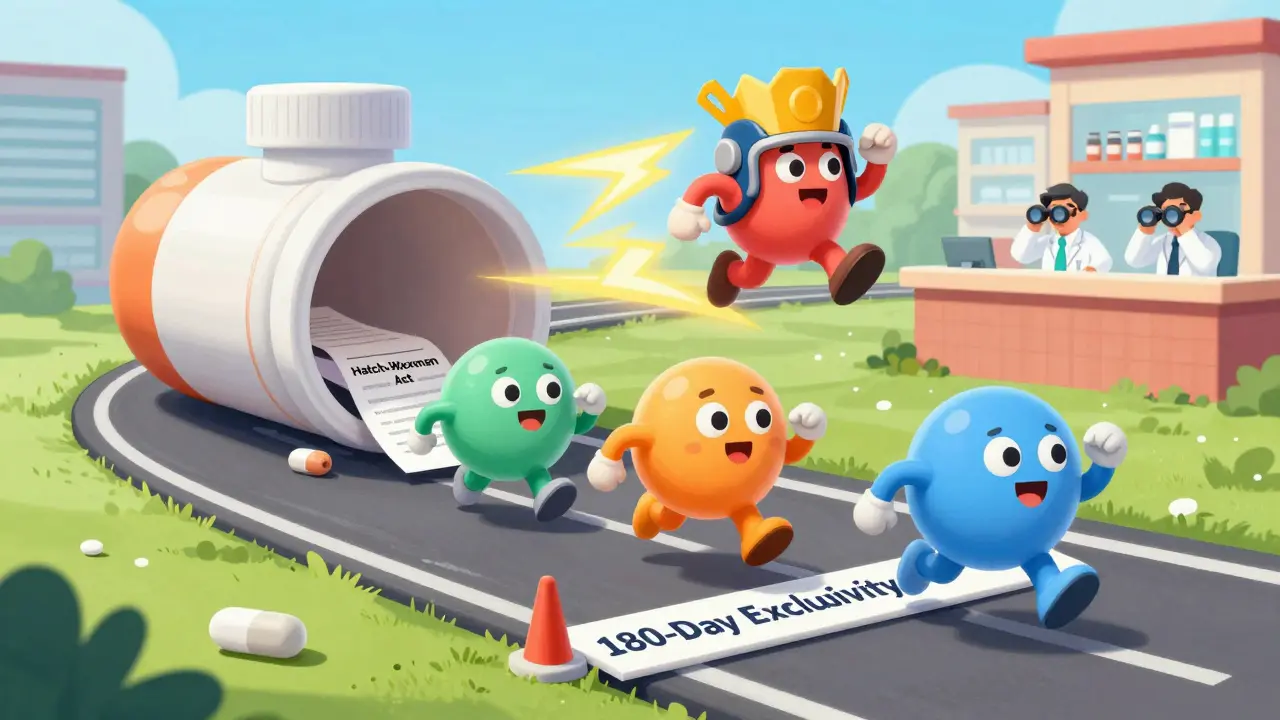
When you pick up a generic pill at the pharmacy, you’re benefiting from a law passed in 1984 called the Hatch-Waxman Act, a U.S. law that created a faster path for generic drugs to enter the market without repeating expensive clinical trials. Also known as the Drug Price Competition and Patent Term Restoration Act, it was designed to fix a broken system where brand-name drugs held monopolies for too long, and generics couldn’t get approved efficiently.
This law didn’t just help patients save money—it changed how pharmaceutical companies think about patents and competition. Before Hatch-Waxman, a company could spend $1 billion and 10 years developing a new drug, then lock out competitors for 17 years. The Act let generic makers file an Abbreviated New Drug Application (ANDA) with the FDA, proving their drug was the same as the brand version without redoing animal or human trials. That cut approval time from years to months. At the same time, it gave brand-name companies up to five extra years of patent protection to make up for time lost during FDA review. It was a trade-off: faster generics in exchange for fairer innovation rewards.
The Act also created the first legal framework for patent challenges. If a generic company believed a brand-name patent was invalid or not being infringed, they could file a certification and start a legal battle. This opened the door for companies to fight weak patents and bring cheaper drugs to market sooner. You’ll see this play out in many of the posts below—drug interactions, substitution rules, and even why some medications cost less than others all trace back to this law. It’s why a $500 brand-name pill can become a $10 generic a few years later.
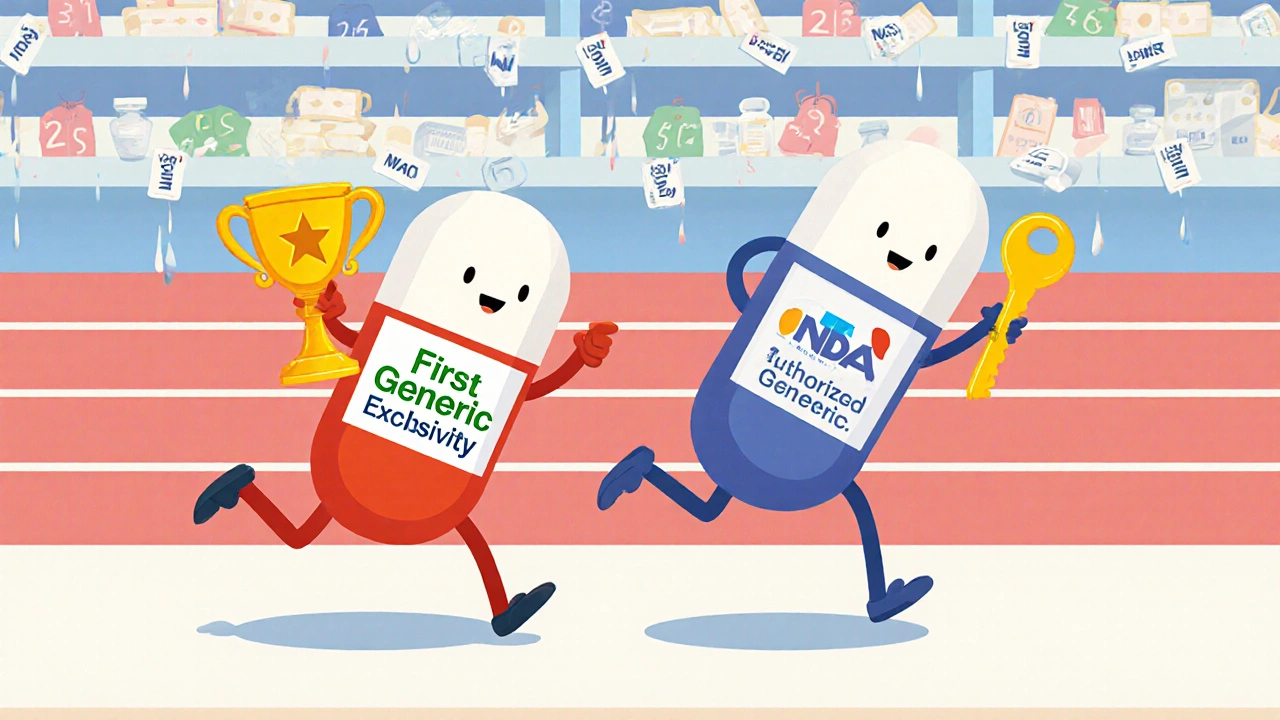
Related to this are generic drugs, medications that contain the same active ingredient, strength, and dosage form as a brand-name drug, approved by the FDA as therapeutically equivalent. They’re not copies—they’re identical in effect. And FDA approval, the process that ensures drugs are safe, effective, and consistently manufactured. is what makes that guarantee real. The Act didn’t lower standards—it made them more efficient. That’s why you can trust a generic version of allopurinol, levothyroxine, or even sildenafil just as much as the brand name.
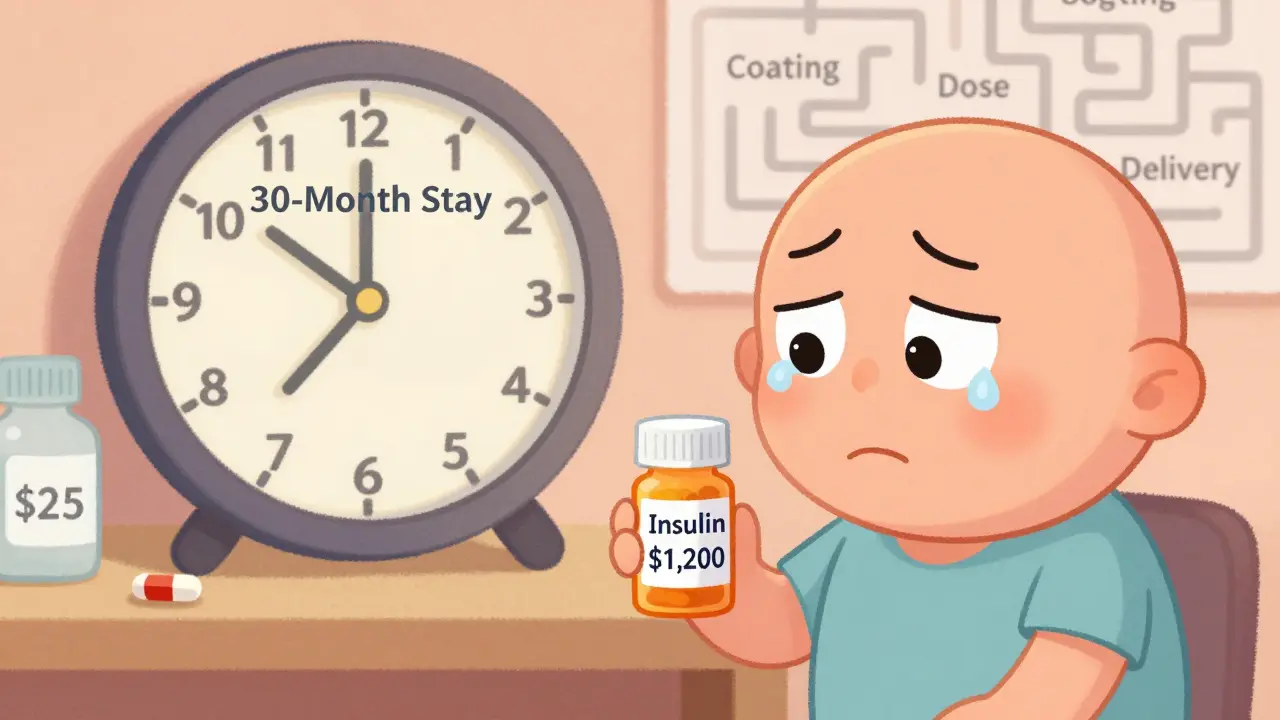
Today, over 90% of prescriptions in the U.S. are filled with generics. That’s not luck. It’s the Hatch-Waxman Act in action. But it’s not perfect. Patent evergreening, legal delays, and complex regulatory loopholes still slow down access. The posts you’ll find here—on medication substitution, drug interactions, and cost differences between retail and hospital pharmacies—all tie into this system. Whether you’re wondering why your doctor switched your pill, why a new generic just appeared, or why some drugs still cost too much, the answer often starts with this one law.