
Why You Should Never Ignore Changes in Expired Medications
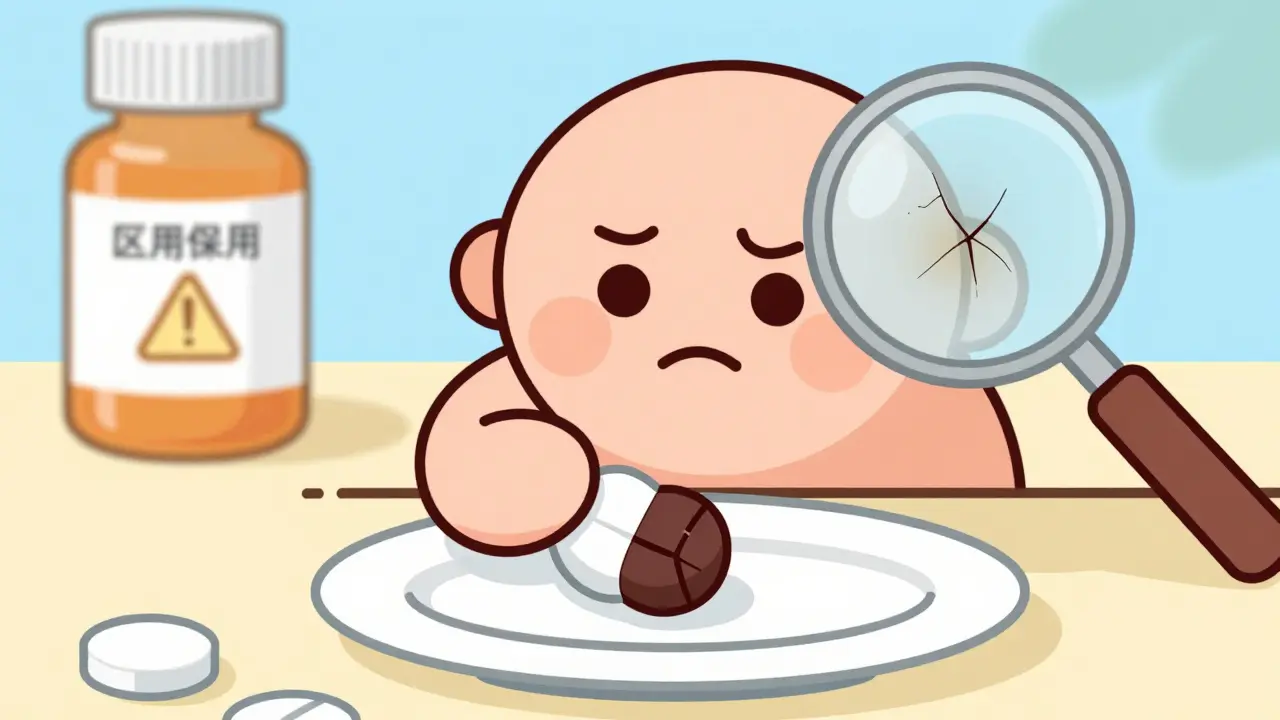
It’s easy to assume that if a pill still looks normal, it’s still safe to take-even after the expiration date. But that’s a dangerous assumption. Medications don’t just stop working when they expire. They can change in ways you can see, smell, or feel-and those changes aren’t just cosmetic. They’re warning signs. A tablet that’s turned yellow, a cream that’s separated into oily layers, or a liquid that’s cloudy with floating particles? These aren’t random quirks. They’re signs of chemical breakdown. And in some cases, those changes can make the drug less effective, toxic, or both.
The U.S. Food and Drug Administration (FDA) and the World Health Organization (WHO) agree: physical changes in expired drugs are one of the most common indicators of degradation. In fact, studies show that over 68% of expired solid medications show visible discoloration. That’s not a small number. That’s the majority. And while some changes are harmless, others signal real risks. The key is knowing what to look for-and what to do when you see it.
What Changes to Look For: Color, Odor, Texture
When checking any medication past its expiration date, focus on three things: color, odor, and texture. These are the easiest to spot without special tools-and they’re the most reliable early warning signs.
- Color: A white tablet turning light brown, especially around the edges, is a red flag. Antibiotics like tetracycline are notorious for this-they turn yellow to dark brown as they break down. Clear liquids like eye drops or insulin that turn cloudy or yellowish are also suspect. Even if the bottle says "store in a cool, dark place," sunlight or heat can cause rapid discoloration. Some drugs, like nitroglycerin, naturally darken over time, but if the color shift is sudden or uneven, don’t take it.
- Odor: Medications shouldn’t smell like vinegar, mold, or chemicals. If your amoxicillin capsules smell sour or musty, they’ve absorbed moisture and likely degraded. Ointments that smell rancid or like old oil? That’s fat breakdown. Even if the label doesn’t mention smell, trust your nose. A change in odor often means the active ingredient is breaking down or bacteria are growing.
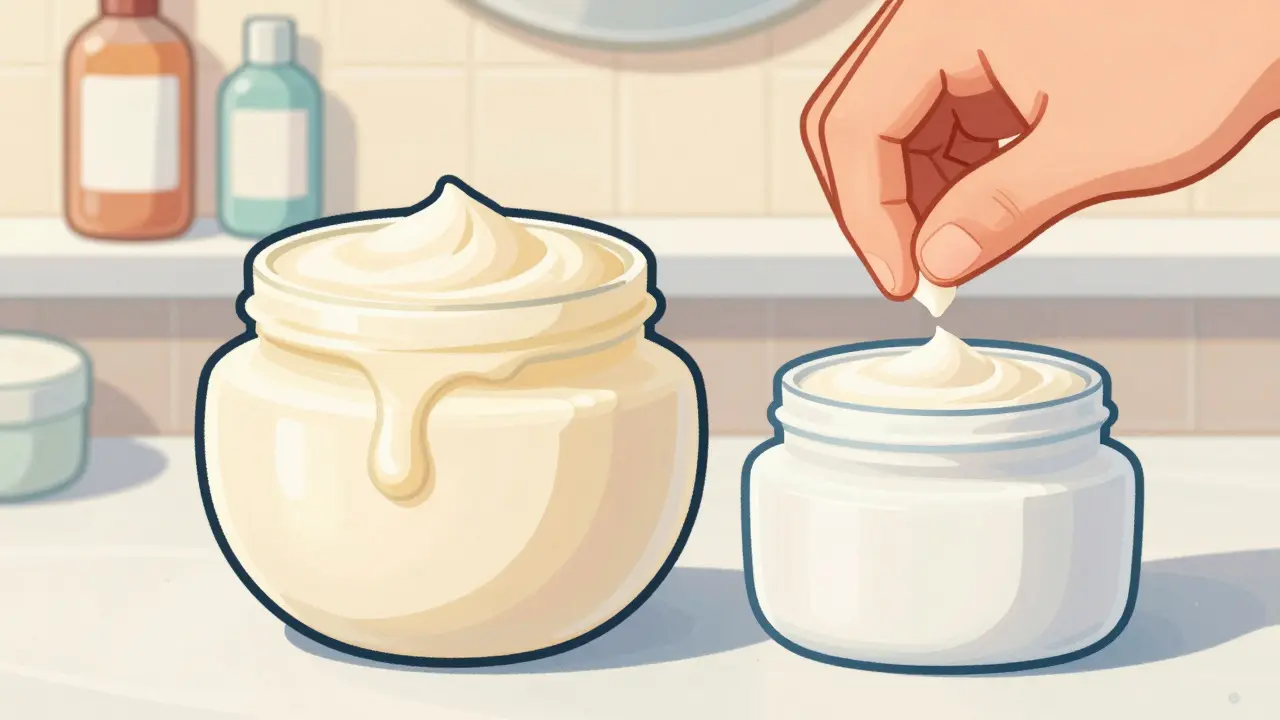
- Texture: Tablets that crumble when you touch them, capsules that stick together or feel sticky, creams that separate into liquid and solid layers-these are all signs of physical instability. If your hydrocortisone cream looks like it’s split into two layers, or if your liquid antibiotic has visible particles floating in it, that’s not normal. It’s degradation.
How Degradation Varies by Medication Type
Not all drugs degrade the same way. The form matters. A tablet behaves differently than a cream or a liquid.
- Tablets and Capsules: These are the most common. Discoloration affects 73.5% of expired solid drugs. Tetracycline turns brown. Amoxicillin capsules get sticky and clump because they’re hygroscopic-they pull moisture from the air. If you open a capsule and the powder inside looks wet or stuck together, it’s no longer stable.
- Creams and Ointments: These are prone to phase separation. Think of it like oil and water separating in a salad dressing. Clotrimazole cream or mupirocin ointment that’s gone past its date may show a clear layer on top or a thick, grainy bottom. If you can’t mix it back together with gentle stirring, toss it.
- Liquids: Eye drops, insulin, and oral suspensions are especially risky. Particles form. Cloudiness appears. pH shifts. The FDA’s USP <788> standard says no more than 6,000 particles larger than 10 micrometers should be in a single container. You can’t see those with the naked eye, but you can see clumps. If you see anything floating or settled, don’t use it. Even if it looks fine, if it’s been stored above 25°C, degradation speeds up by over twice as fast.
What Changes Are Normal vs. Dangerous
Not every change means danger. Some medications naturally change slightly over time. But you need to know the difference.
For example, some antihistamines may turn slightly yellow after a year-this is often due to harmless oxidation. But if the same pill turns dark brown or develops black spots, that’s a problem. Some liquid cough syrups may become slightly thicker after refrigeration, but if they turn jelly-like or separate into thick chunks, that’s degradation.
Compare your medication to the manufacturer’s reference images. The FDA updates its Drug Expiration Database quarterly with photos of common degradation patterns. If your pill looks nothing like the photo on file, don’t risk it. When in doubt, assume it’s unsafe.
How to Check Your Medications Properly
Checking meds isn’t just glancing at the bottle. It’s a systematic process.
- Use good lighting: Check under natural daylight or a 500-lux lamp. Avoid dim or yellow lights-they hide color changes.
- Use a white background: Place the pill or cream on a clean white plate or paper. This makes discoloration obvious.
- Smell before touching: Hold the container a few inches from your nose. Don’t inhale deeply. Just detect any unusual odors.
- Feel the texture: For tablets, gently press between clean fingers. Do they crumble? For creams, squeeze a small amount onto your finger. Does it feel grainy, oily, or runny?
- Compare to new: If you still have an unopened bottle of the same drug, compare the two. Any noticeable difference? Discard the expired one.
When to Throw It Out-No Exceptions
Some changes are deal-breakers. If you see any of these, throw the medication away immediately:
- White pills with brown or black spots
- Creams with visible oil or water separation
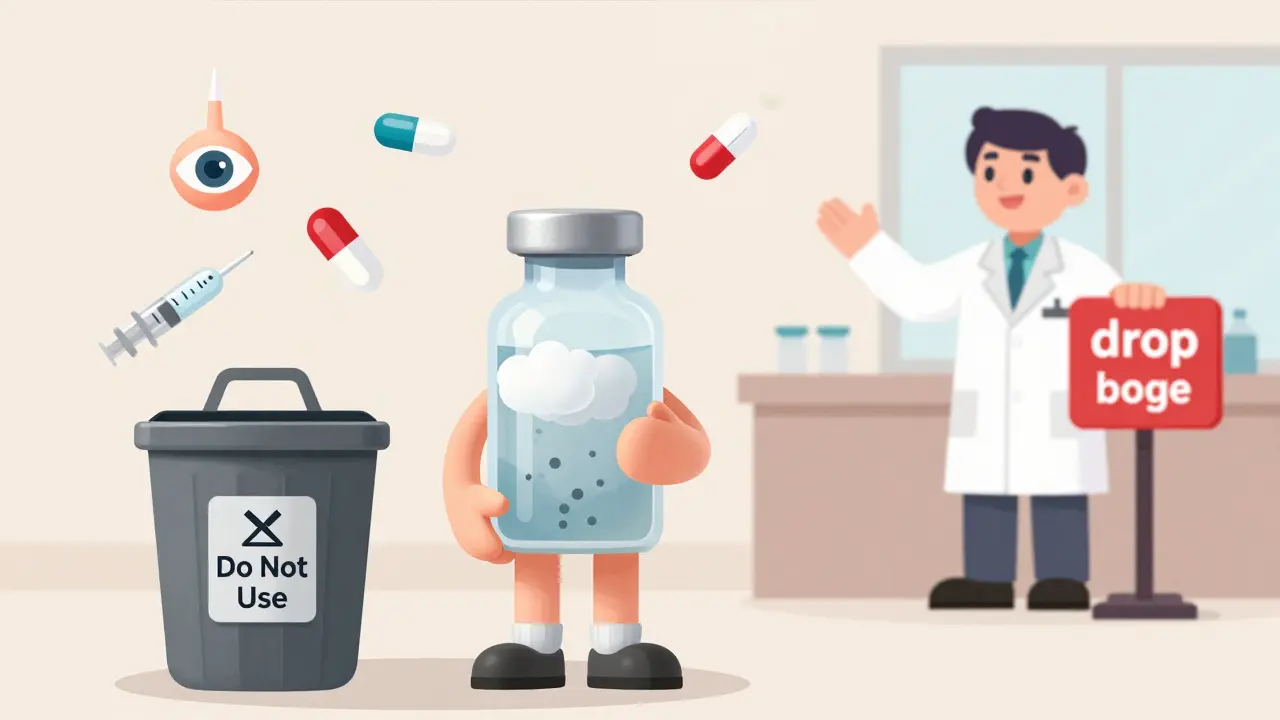
- Liquids with floating particles or cloudiness
- Tablets that crumble or feel sticky
- Any smell that’s not the original scent (vinegar, mold, chemicals)
- Insulin that looks cloudy or clumpy (unless it’s supposed to be cloudy)
Don’t be fooled by "it’s only a few months past." Degradation doesn’t wait for the calendar. A study from NASA showed that even in controlled environments, some drugs like PMZ injections degraded faster than expected-without any visible signs. So if you’re unsure, err on the side of caution.
What to Do With Expired or Degraded Drugs
Never flush them down the toilet or toss them in the trash without mixing them with something unappetizing like coffee grounds or cat litter. Many pharmacies, including those in Sydney, offer take-back programs. Check with your local pharmacy or visit the National Drug Take Back Day website for drop-off locations. Some community health centers also collect expired meds safely.
If you’re unsure whether a drug is degraded, call your pharmacist. They have access to stability data and can advise you. Don’t guess. Don’t risk it.
The Bottom Line: When in Doubt, Toss It
There’s no safe way to test expired drugs at home. You can’t measure chemical potency with your eyes or nose. What you can do is spot the physical signs of decay-and act on them. A discolored pill might not kill you, but it might not work either. A separated cream might not be toxic, but it won’t treat your rash. And in cases like antibiotics or heart medications, even a small drop in potency can lead to treatment failure or dangerous complications.
Pharmaceutical stability testing is a multi-billion-dollar industry for a reason. These changes matter. And while advanced tools like Raman spectrometers and AI-powered image analysis are becoming more common in labs, the simplest method-your own eyes, nose, and fingers-is still the most accessible. Use them. Trust them. And when you see something wrong, don’t hesitate. Throw it out.
Can I still use a medication if it’s just a month past its expiration date?
Expiration dates are the last day the manufacturer guarantees full potency and safety. Even one day past that date, the drug may have started degrading. If you see any changes in color, smell, or texture-no matter how small-don’t use it. Some medications, like insulin or antibiotics, degrade quickly and can become ineffective or harmful even within weeks past expiration.
Do all expired drugs become dangerous?
Not all expired drugs become dangerous, but many become less effective. The real risk comes from medications that degrade into harmful byproducts-like tetracycline, which can cause kidney damage after degradation. Others, like nitroglycerin, lose potency rapidly and won’t relieve chest pain when needed. The WHO estimates over 10% of expired drugs show physical changes that affect safety. So while not every expired pill is toxic, you can’t assume any are safe without checking.
Can I rely on the expiration date on the label?
The expiration date is based on stability testing under ideal conditions-cool, dry, and dark. If your medicine was stored in a hot bathroom, near a window, or in a car, it may have degraded long before the date. Always check the physical condition first. The date is a guideline, not a guarantee. Physical signs like discoloration or separation are more reliable indicators than the printed date.
Is it safe to use expired eye drops or insulin?
No. Eye drops and insulin are high-risk. Eye drops can harbor bacteria if degraded, leading to serious infections. Insulin loses potency quickly after expiration and may not control blood sugar properly. Even if they look clear, if they’re past their date, throw them out. The consequences of using degraded insulin or eye drops can be severe.
What should I do if I accidentally took an expired drug with visible changes?
If you took a medication that was discolored, smelly, or had changed texture, monitor yourself for unusual symptoms like nausea, dizziness, rash, or worsening of your condition. Call your doctor or poison control immediately. Don’t wait for symptoms to appear. Even if you feel fine, the drug may have degraded into harmful substances. Keep the container and show it to a medical professional.




Comments(9)