
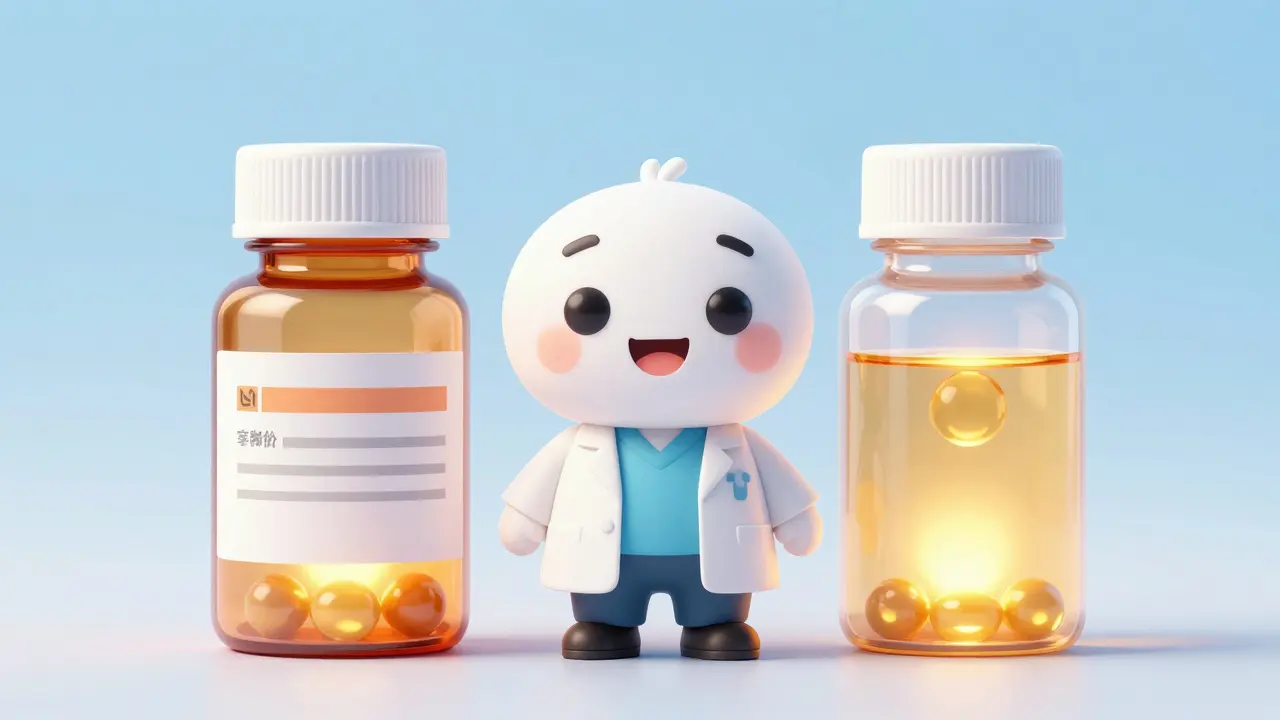
Understanding pharmaceutical equivalence
Have you ever looked at your prescription and wondered if the generic version is truly the same as the brand name? It is a question many people ask when they see a different pill shape or a new manufacturer on the label. The answer lies in something called pharmaceutical equivalence. This concept is the backbone of how we trust generic medications worldwide. It ensures that when you swap a brand-name drug for a cheaper alternative, the core medicine remains consistent. Without this standard, the modern healthcare system would struggle to manage costs without compromising safety.
Pharmaceutical equivalence is a regulatory condition defined by agencies like the U.S. Food and Drug Administration (FDA). Essentially, it means two drug products contain the same active ingredient in the same amount. They must also be the same dosage form and take the same route of administration. For example, if the brand is a tablet taken orally, the generic must also be an oral tablet. However, this standard does not require the pills to look identical. You might notice differences in color, shape, or packaging, which are purely cosmetic. These visual changes do not affect the drug's performance, provided the chemical composition matches the original standard.
The framework behind generic approval
To understand why this matters, you need to know where it comes from. The rules were solidified with the Hatch-Waxman Act, passed in 1984. Before this law, bringing a new drug to market was extremely expensive and slow. The act created a pathway for generic companies to prove their product is equivalent without repeating the massive clinical trials required for the original invention. This streamlined process relies entirely on pharmaceutical equivalence as the foundation.
Manufacturers submit an Abbreviated New Drug Application, known as an ANDA. Within this application, they provide analytical data showing their product meets the exact specifications of the reference-listed drug. This includes testing methods like high-performance liquid chromatography to verify the active ingredient content falls within tight margins, usually within ±5% of the labeled amount. The goal is to prove identity before moving to more complex biological testing.
Pharmaceutical versus bioequivalence
People often mix up pharmaceutical equivalence with bioequivalence, but they are distinct steps in the approval process. Pharmaceutical equivalence focuses on the physical and chemical makeup of the pill itself. It asks, "Does this bottle contain the correct chemicals?" Bioequivalence goes one step further to ask, "Does the body absorb this chemical the same way?" A generic drug must achieve both to be considered therapeutically equivalent.
| Equivalence Type | Focus Area | Requirement |
|---|---|---|
| Pharmaceutical | Composition | Same active ingredient, strength, form |
| Bioequivalence | Absorption | 80-125% range of blood concentration |
| Therapeutic | Clinical Outcome | Same effect and safety profile |
The FDA Orange Book lists approved drug products and rates them. An 'AB' rating means the drug is therapeutically equivalent to the brand name. This is the gold standard for substitution. If a drug receives a 'B' rating, it indicates there are documented reasons not to substitute, often due to bioavailability issues. As of late 2024, the database contained over 15,000 approved generic products, giving prescribers and pharmacists a clear tool to navigate choices.

What happens in the pharmacy?
For healthcare providers, understanding these distinctions helps during dispensing. When a patient picks up a prescription, the pharmacist checks the Orange Book rating. Most states have laws allowing automatic substitution for therapeutically equivalent generics. This saves money for everyone while keeping patients safe. Studies show that approximately 90% of prescriptions in the United States are filled with generics. This high rate of adoption proves that the system works for the vast majority of users.
However, practical implementation isn't always seamless. Sometimes, generic drugs contain different inactive ingredients, known as excipients. These include fillers, binders, or dyes used to make the pill stable. While the active medication is the same, some patients have sensitivities to these non-active components. A survey found that nearly 90% of pharmacists have encountered minor side effects related to these differences, though actual switches back to brand-name meds were rare. It highlights that while chemistry says they are equivalent, biology can still react differently to the coating or binder.
Narrow therapeutic index concerns
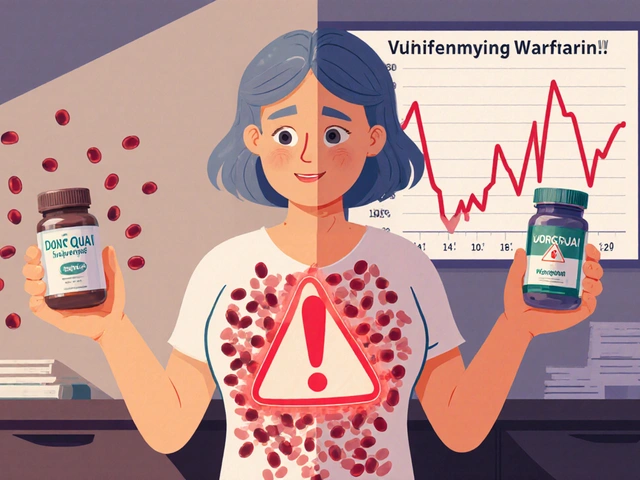
There is a critical group of medicines where small changes matter much more than usual. These are called narrow therapeutic index (NTI) drugs. Examples include Warfarin or Lithium. For these substances, the difference between a helpful dose and a harmful dose is very small. A shift outside the normal bioequivalence window could theoretically cause issues. Experts advise extra vigilance here. Even if two drugs meet pharmaceutical equivalence standards, doctors might recommend sticking to one specific manufacturer for these particular prescriptions.
The American College of Clinical Pharmacy has issued statements advising providers to remain vigilant with these specific drugs. Standard equivalence testing covers the vast majority of medications perfectly well. But for NTI drugs, monitoring blood levels is essential regardless of whether the pill is generic or brand. It is a case where professional judgment overrides general substitution rules.

Evolving standards and future outlook
Regulations continue to adapt to better protect patients. Recent initiatives like the Generic Drug User Fee Amendments have aimed to speed up reviews without lowering safety bars. The FDA has been pushing for stricter characterization of complex drugs, such as inhalers or injectables. These aren't simple tablets; they rely on delivery mechanisms that make equivalence harder to prove. Proposed rules released in 2024 suggest even deeper analysis for products where the delivery system affects how the drug works.
Industry analysts predict we will see more advanced techniques like Raman spectroscopy becoming standard by 2027. This will allow regulators to check the molecular structure of drugs more precisely. As the technology improves, the definition of pharmaceutical equivalence may get more sophisticated, but the core principle remains: the patient gets the same therapeutic benefit for less money. This economic advantage is significant, with savings estimated in the trillions since the early 2000s.
Questions about generic substitution
Do generic drugs contain the same active ingredients?
Yes, under pharmaceutical equivalence standards, generic drugs must contain the exact same active pharmaceutical ingredient as the brand-name drug. They must also match in strength, dosage form, and route of administration.
Why do generic pills look different from brand names?
Pharmaceutical equivalence allows for differences in inactive ingredients, such as color, shape, and packaging. These cosmetic differences do not change how the active drug works inside your body.
Can I switch back to the brand name drug?
If you experience side effects linked to inactive ingredients or sensitivity, you can request the brand name. Discuss this with your doctor, as insurance coverage policies may vary depending on the situation.
What is the Orange Book rating system?
The FDA Orange Book assigns therapeutic equivalence ratings. An 'A' rating, specifically 'AB', indicates the generic is suitable for substitution because it has met both pharmaceutical and bioequivalence standards.
Are generic drugs tested as rigorously as brands?
Yes, they undergo strict testing through the ANDA process to verify identity, purity, strength, and stability. Regulatory agencies ensure these standards match the original drug's requirements before approval.




Comments(14)