
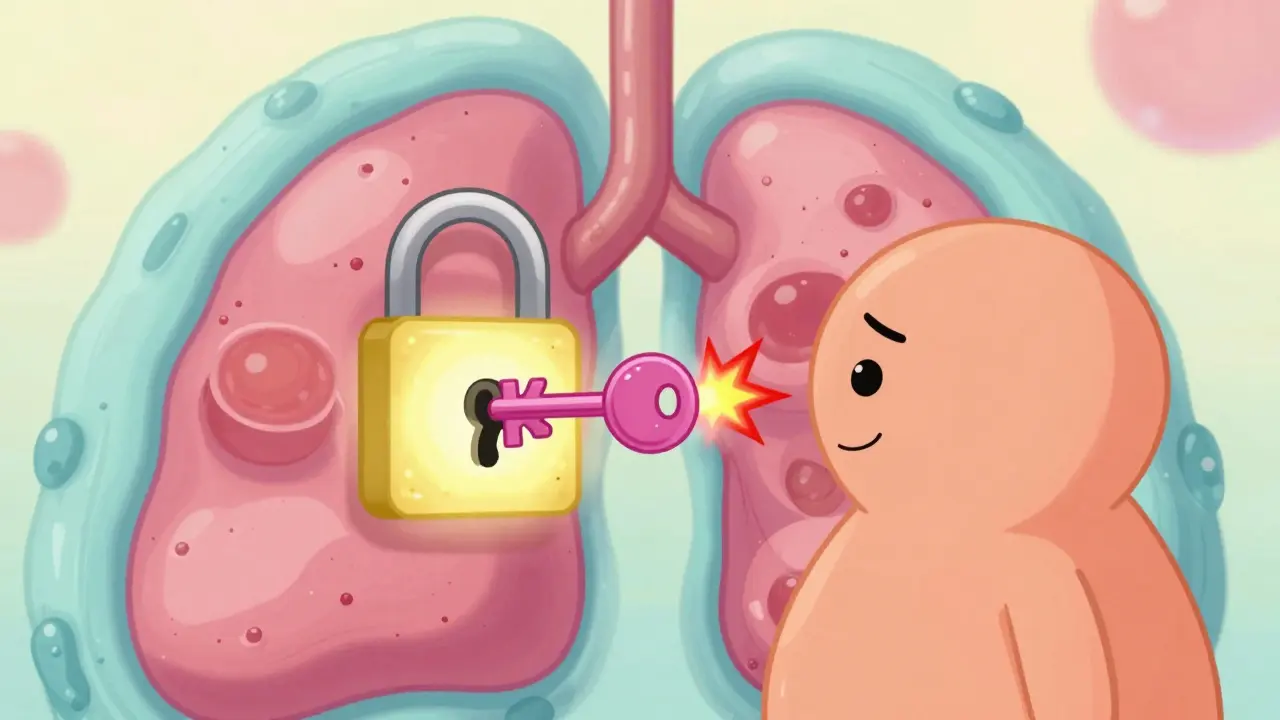
When you take two drugs at the same time, they don’t just sit in your body doing their own thing. Sometimes, they talk to each other-sometimes helpfully, sometimes dangerously. This isn’t about one drug changing how fast the other is absorbed or broken down. That’s pharmacokinetics. This is about what happens when drugs meet at the same spot in your body and change how they work together. That’s pharmacodynamic drug interactions.
What Exactly Is a Pharmacodynamic Interaction?
Think of your body’s receptors like locks. Drugs are keys. A pharmacodynamic interaction happens when one key changes how another key fits into the lock-even if the second key’s concentration hasn’t changed at all. It’s not about quantity. It’s about effect.
For example, if you take albuterol (for asthma) and propranolol (a beta-blocker for high blood pressure), they’re both trying to bind to the same receptor. Albuterol opens up your airways. Propranolol blocks them. If you take both, the propranolol can completely cancel out the albuterol. Your asthma might flare up, even if you took the right dose of both drugs. That’s pharmacodynamic antagonism.
Unlike pharmacokinetic interactions-where one drug slows down the liver’s ability to process another-this one doesn’t change blood levels. It changes how the drug feels to your body. That’s why it’s harder to spot. Your lab tests look normal. But you’re not getting the result you expect.
The Three Main Types: Synergy, Additive, and Antagonism
Not all drug combinations are bad. Some are designed to work together. Others are accidents waiting to happen. There are three main patterns:
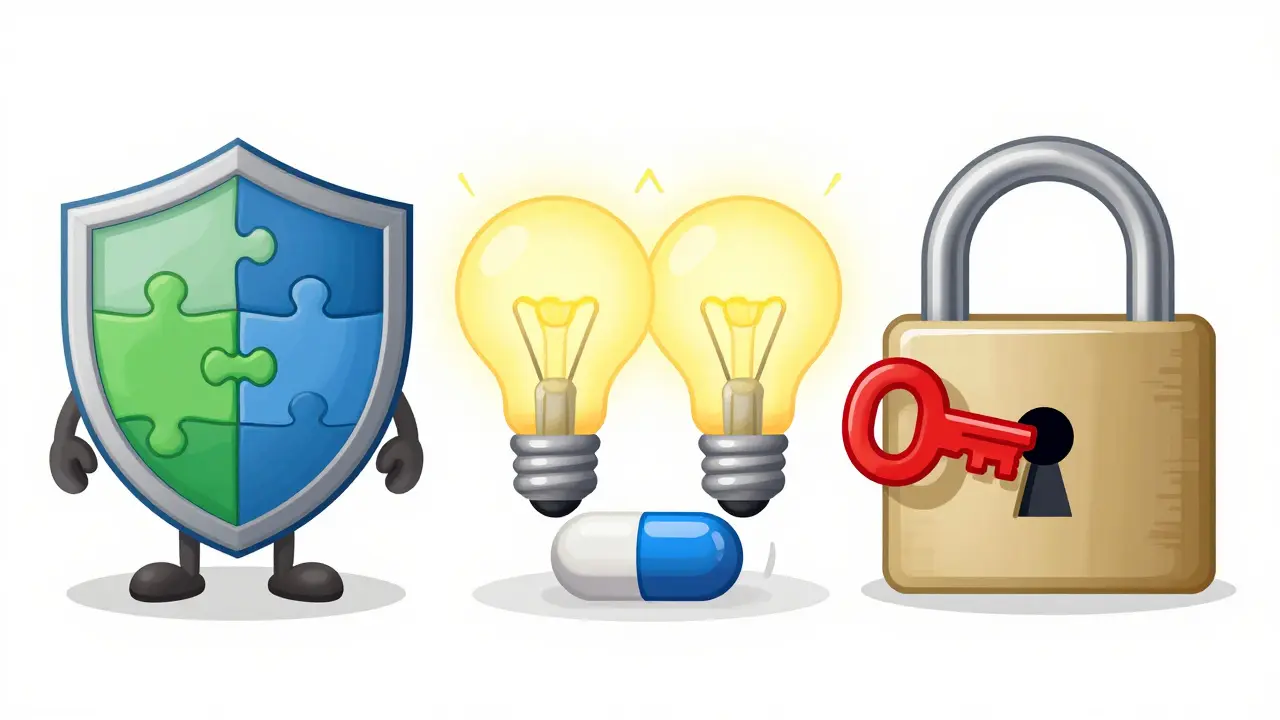
- Synergistic: The combined effect is stronger than the sum of the parts. Think of trimethoprim and sulfamethoxazole (Bactrim). Each blocks a different step in bacterial folic acid production. Together, they’re far more effective than either alone-and allow lower doses, reducing side effects.
- Additive: The total effect is just what you’d expect if you added them up. Like taking acetaminophen and ibuprofen together for pain. Neither boosts the other, but you get more relief.
- Antagonistic: One drug blocks or reduces the effect of another. This is the most dangerous type. Examples include opioids and naloxone (used to reverse overdoses), or NSAIDs like ibuprofen reducing the blood pressure-lowering effect of ACE inhibitors like lisinopril.
The most common antagonistic interaction? NSAIDs messing with blood pressure meds. A 2019 NIH study of 347 hypertensive patients showed ibuprofen reduced kidney blood flow by about 25%. That means the ACE inhibitor can’t work as well. Blood pressure stays high. Patients don’t realize why-until they end up in the hospital.
Why Some Interactions Are Deadly
Not all drugs are created equal. Some have a very narrow window between helping and harming. These are called drugs with a narrow therapeutic index. If the dose is just a little too high, you get toxicity. Too low, and it doesn’t work.
Eighty-three percent of life-threatening pharmacodynamic interactions involve one of these drugs, according to NIH data from 2019. That’s why certain combinations are red flags:
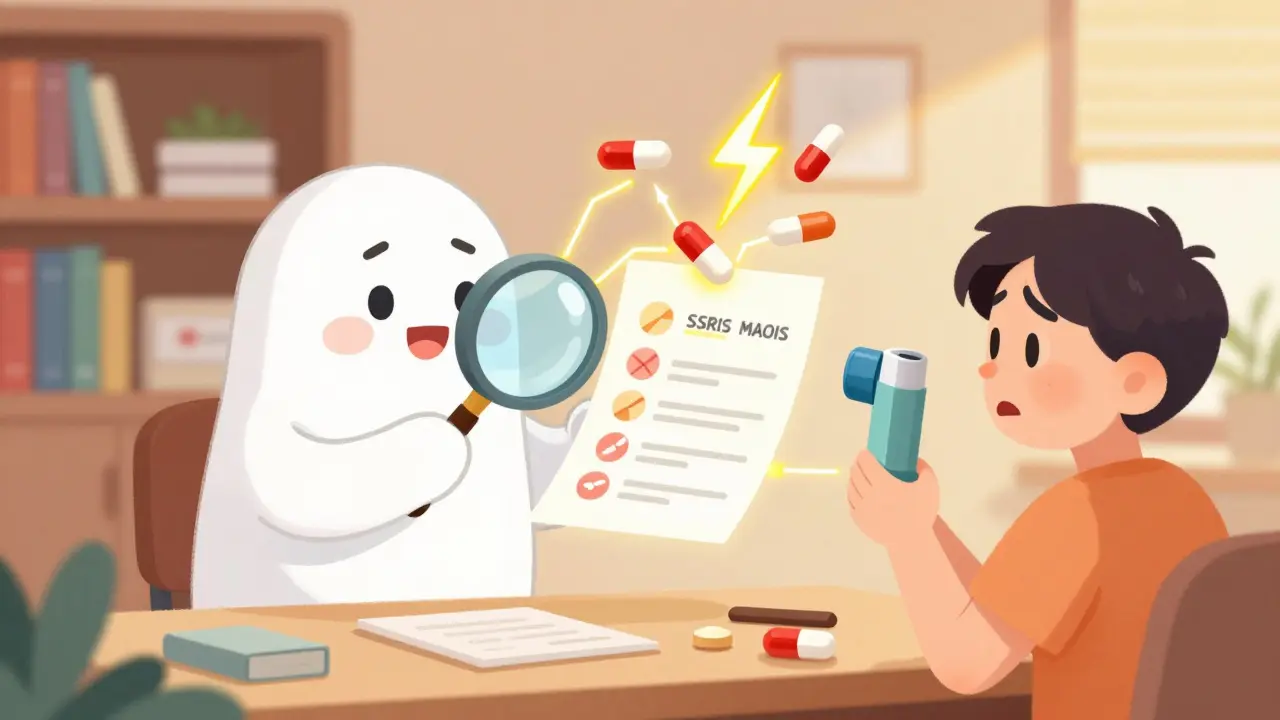
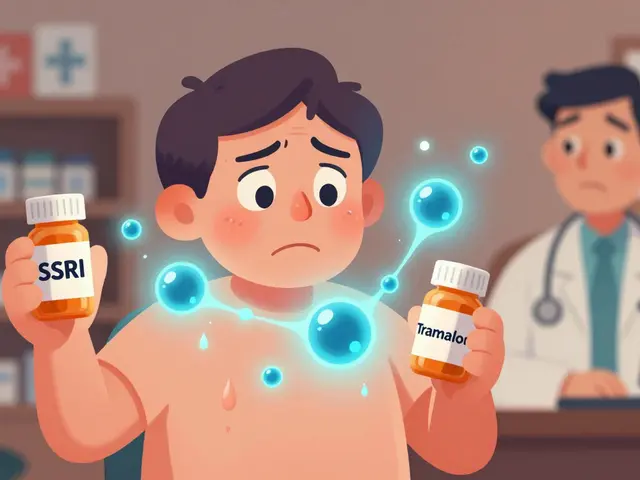
- SSRIs + MAOIs: Mixing antidepressants like sertraline with MAO inhibitors like phenelzine can cause serotonin syndrome-a potentially fatal surge in serotonin levels. A 2021 meta-analysis found this combo increases risk by 24 times.
- Opioids + opioid antagonists: Giving naloxone to someone dependent on opioids doesn’t just block the high-it triggers sudden, severe withdrawal. In a hospital, this can cause seizures, high blood pressure spikes, and cardiac stress.
- Anticoagulants + antiplatelets: Warfarin and aspirin together? That’s a double whammy on bleeding risk. A 2022 survey of over 1,200 doctors found this was the most common dangerous interaction they saw monthly.
One hospital pharmacist on Reddit shared a near-fatal case: a 72-year-old on linezolid (an antibiotic) and sertraline (an antidepressant) developed serotonin syndrome. She spent three days in ICU. Neither drug alone would’ve caused it. Together? They pushed her system over the edge.
When Interactions Actually Help
Pharmacodynamic interactions aren’t always the enemy. Medicine uses them on purpose.
Low-dose naltrexone (LDN), originally used to block opioid receptors, is now being studied with antidepressants. In a 2021 trial with 142 patients with treatment-resistant depression, combining LDN with standard antidepressants improved outcomes in 68% of cases-compared to 42% with antidepressants alone. The theory? LDN briefly blocks opioid receptors, triggering the body to produce more natural endorphins. That boost seems to lift mood.
Another example: combining beta-blockers with diuretics for heart failure. The diuretic reduces fluid overload. The beta-blocker slows the heart and reduces strain. Together, they’re more effective than either alone. This isn’t an accident. It’s smart design.
Why Doctors Miss These Interactions
Here’s the problem: most electronic prescribing systems are built to catch pharmacokinetic interactions. They check for liver enzyme conflicts-like when clarithromycin slows down statin metabolism. But they’re terrible at spotting pharmacodynamic ones.
A 2020 study in Drug Safety found clinical decision tools missed 22% of serious pharmacodynamic interactions. Why? Because they’re not programmed to understand receptor biology. They don’t know that ibuprofen blocks prostaglandins in the kidney, which reduces the effectiveness of lisinopril. They just see two drugs and say, “No known interaction.”
Doctors are overloaded. A 2022 survey showed 63% of physicians encounter at least one dangerous drug interaction every month. Many don’t have time to dig into receptor-level details. They rely on apps, but those apps aren’t always reliable.
How to Stay Safe
If you’re on multiple medications, here’s what actually works:
- Know your high-risk drugs. Anticoagulants, antidepressants, blood pressure meds, opioids, and seizure drugs are the big ones. If you’re on any of these, double-check everything else you take.
- Ask your pharmacist. Pharmacists are trained to spot these interactions. They don’t just fill prescriptions-they review them. A 2021 review in BMJ Quality & Safety found pharmacist-led reviews cut adverse events by 58% in older adults.
- Track symptoms, not just labs. If your blood pressure suddenly won’t budge, or your asthma is worse despite using your inhaler, don’t assume it’s your condition worsening. Ask: “Could something I started recently be blocking my meds?”
- Use trusted databases. The University of Liverpool’s HIV Drug Interactions database is widely used by specialists. Even if you don’t have HIV, it’s one of the most comprehensive sources for pharmacodynamic data. Many hospitals now use it too.
The Future: Better Tools, Better Outcomes
The FDA now requires pharmacodynamic interaction studies for all new CNS drugs. The European Medicines Agency reports that 34% of new drug applications now include this data-up from 19% in 2015. That’s progress.
Researchers are building smarter models. Dr. Rada Savic’s team at UCSF created a machine learning algorithm that predicts serotonin syndrome risk with 89% accuracy. The UK’s NHS is piloting a system that flags dangerous combinations in real time as doctors write prescriptions.
But tools won’t fix everything. Education will. The CICM Primary exam-used to train doctors in critical care-has tested pharmacodynamic interactions in three consecutive years. Examiners say candidates who score well don’t just memorize lists. They understand the mechanism: “Why does this happen?” That’s the key.
As the global population ages and people take more medications-on average, 4.8 prescriptions per person over 65-the risk isn’t going away. It’s growing. Understanding how drugs talk to each other at the receptor level isn’t just for pharmacologists. It’s for anyone taking more than one pill a day.
What’s the difference between pharmacodynamic and pharmacokinetic drug interactions?
Pharmacokinetic interactions change how your body absorbs, breaks down, or gets rid of a drug-like one drug slowing down liver enzymes that process another. Pharmacodynamic interactions change how a drug works at its target site-like two drugs competing for the same receptor-without changing the drug’s concentration in your blood.
Can over-the-counter drugs cause pharmacodynamic interactions?
Absolutely. Ibuprofen, naproxen, and even some cold medicines can block the effects of blood pressure drugs like lisinopril or losartan. Antihistamines like diphenhydramine can add to the drowsiness of antidepressants or opioids. Just because it’s sold without a prescription doesn’t mean it’s safe to mix.
Are pharmacodynamic interactions more dangerous than pharmacokinetic ones?
They can be. A 2020 analysis found 68% of serious adverse events from pharmacodynamic interactions led to hospitalization, compared to 42% for pharmacokinetic ones. That’s because pharmacodynamic effects are harder to predict and often don’t show up in blood tests. You might feel fine-but your blood pressure is rising, or your breathing is getting worse.
How can I check if my meds interact?
Don’t rely on Google. Use trusted resources like the University of Liverpool’s drug interaction database or ask your pharmacist for a full review. If you’re on more than five medications, a pharmacist-led medication review can cut your risk of harmful interactions by more than half.
Why do some drug combinations work better together?
Some drugs are designed to work together. Trimethoprim and sulfamethoxazole block two different steps in bacterial folic acid production, making them far more effective than either alone. Low-dose naltrexone with antidepressants may boost natural endorphins, improving mood in people who don’t respond to antidepressants alone. These are intentional, research-backed synergies.
What to Do Next
If you’re on multiple medications, don’t wait for a problem to happen. Take action:
- Make a list of every pill, patch, and supplement you take-including vitamins and herbal products.
- Bring that list to your pharmacist or doctor. Ask: “Could any of these be blocking or boosting each other?”
- If you notice a change in how you feel-worse symptoms, new side effects, or meds that seem less effective-ask about drug interactions before assuming your condition is getting worse.
Pharmacodynamic interactions aren’t mysterious. They’re predictable-if you know what to look for. And with the right questions and the right help, you can avoid the dangers-and even benefit from the good ones.


Comments(11)